— notebook · travel · verona · september 2026
verona.
a city built in marble.
Verona is home to Marmomac, the great international stone fair. But anyone who only visits the fairground misses the best part: a whole city built with the stone of its mountains. This is my guide for an architect with a free day between stands.
words and photos: Ray Ródenas, architect · september 2026
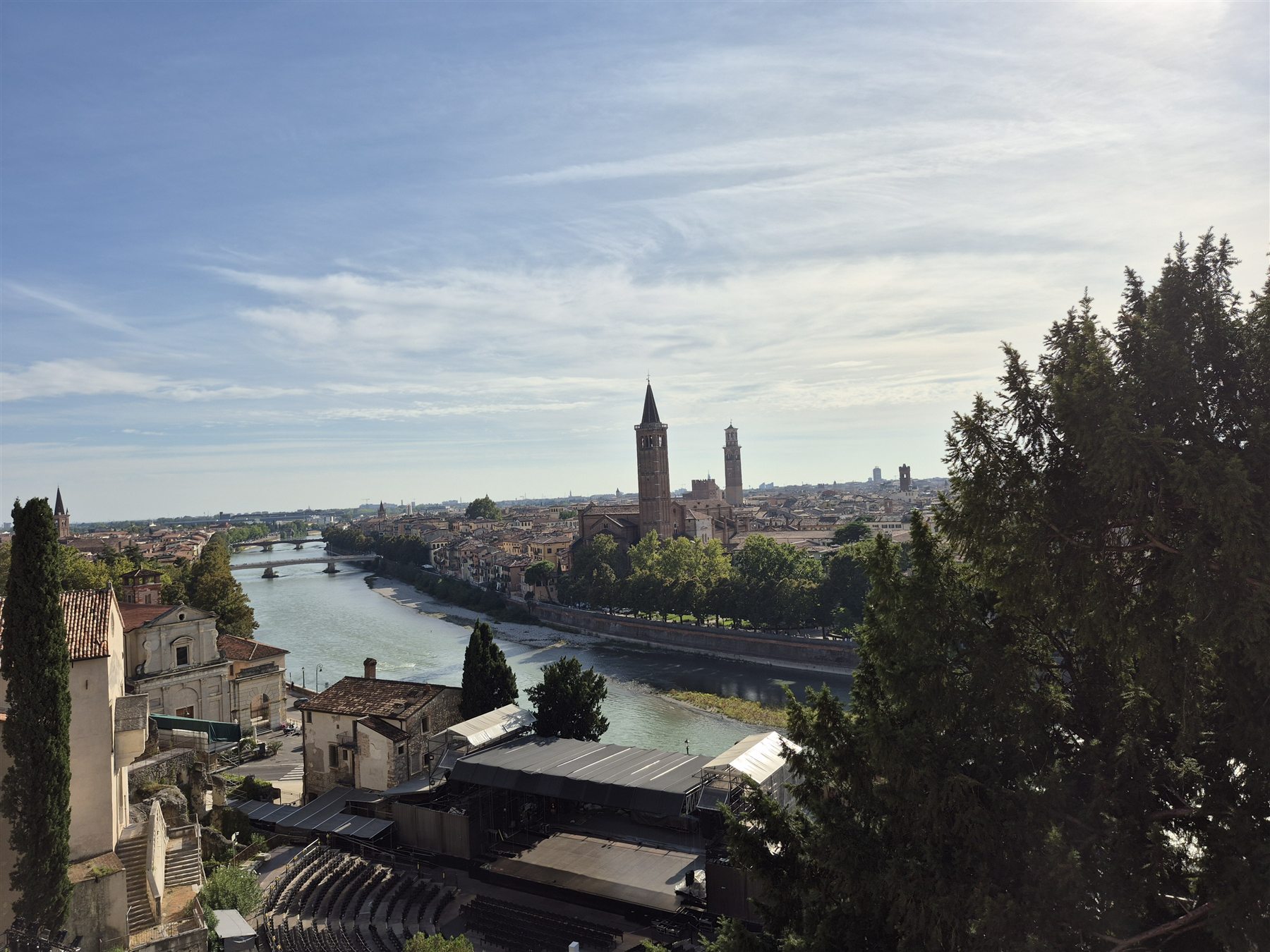
start from above: castel san pietro.
Cross the Adige over the Ponte Pietra and climb to Castel San Pietro, ideally at sunset. From up there the city makes sense: the bend of the river, the brick bell towers, the tiled roofs and, between them, the white and pink of the stone. There is a funicular, but the steps are worth it.
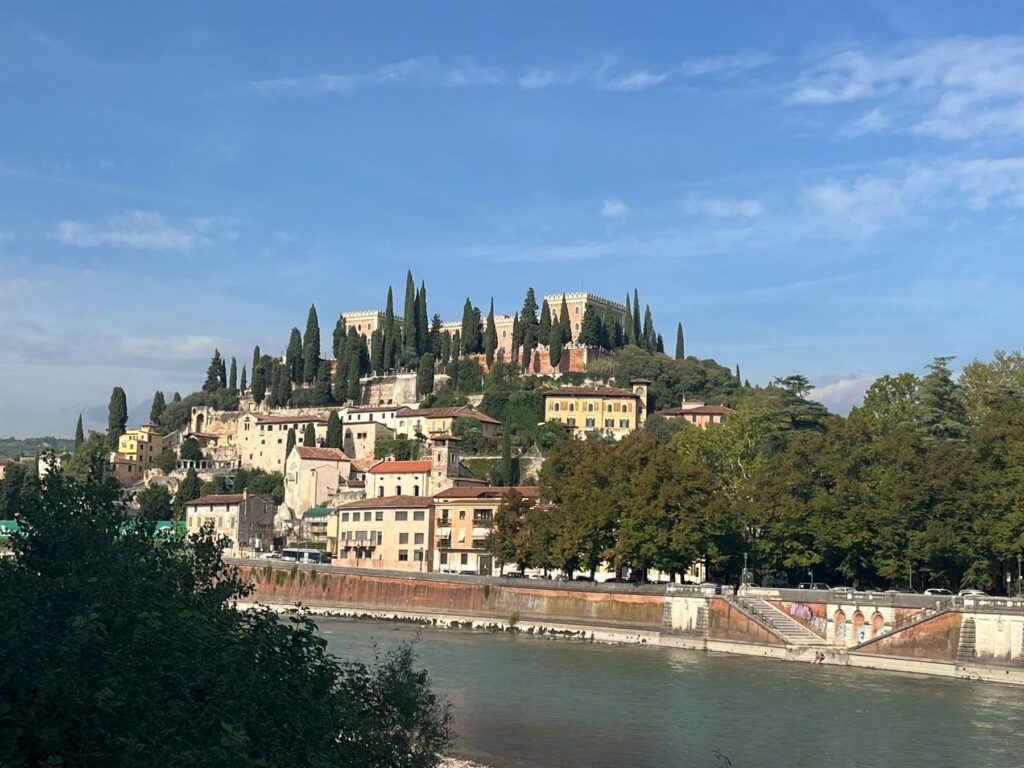
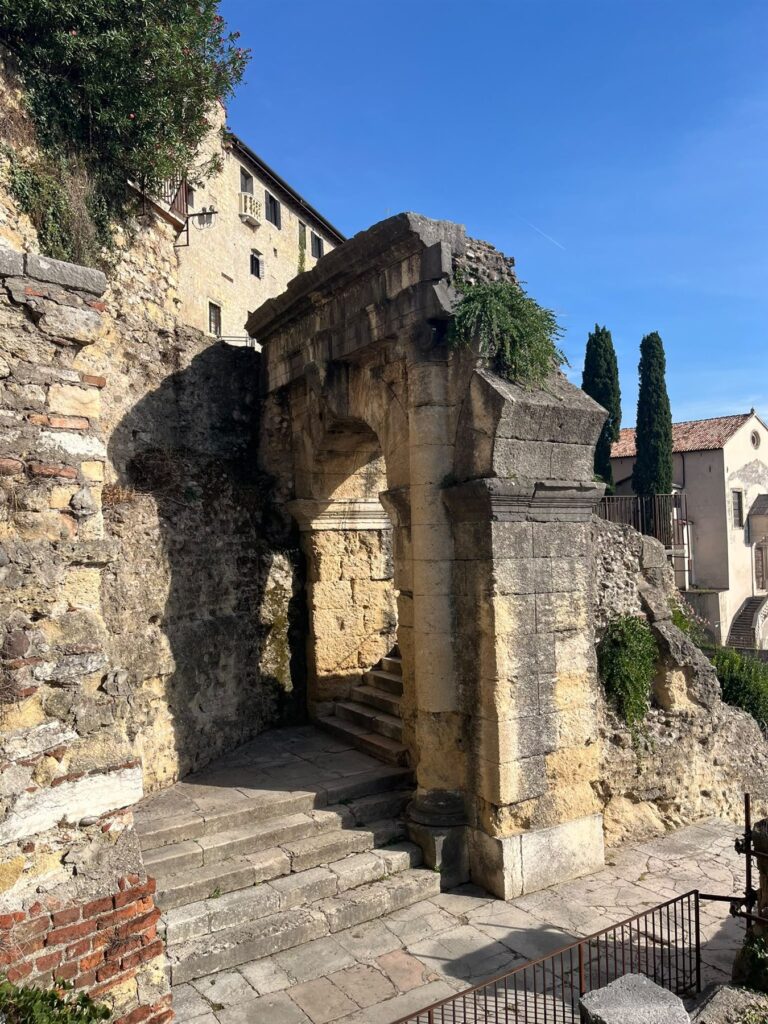
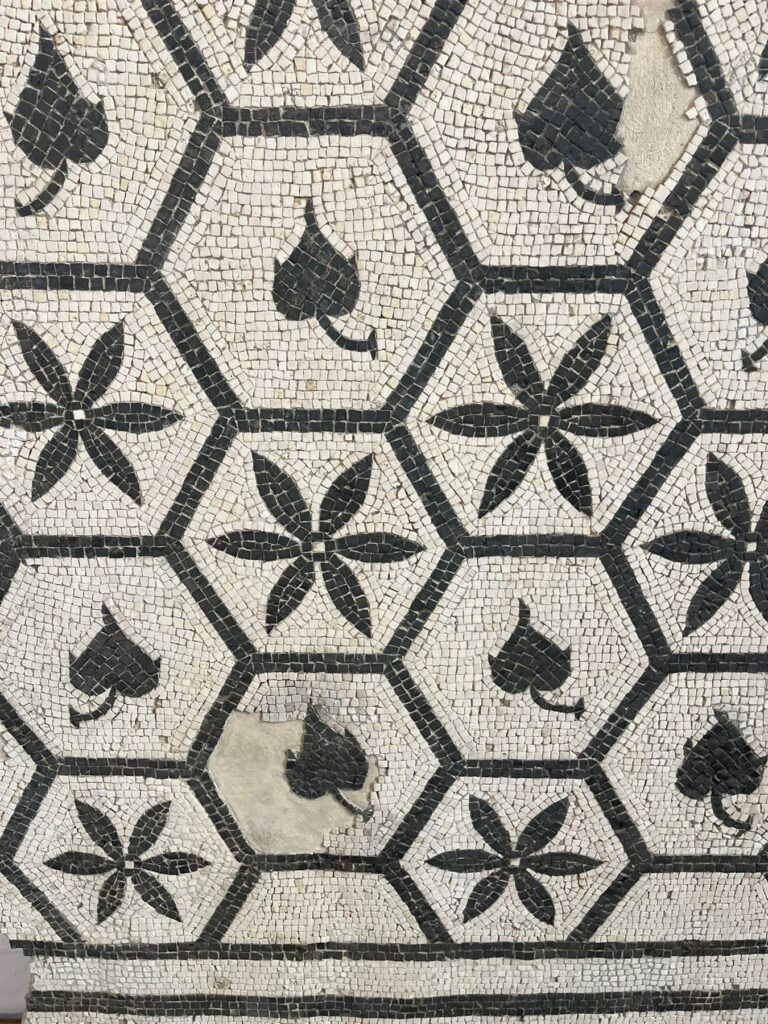
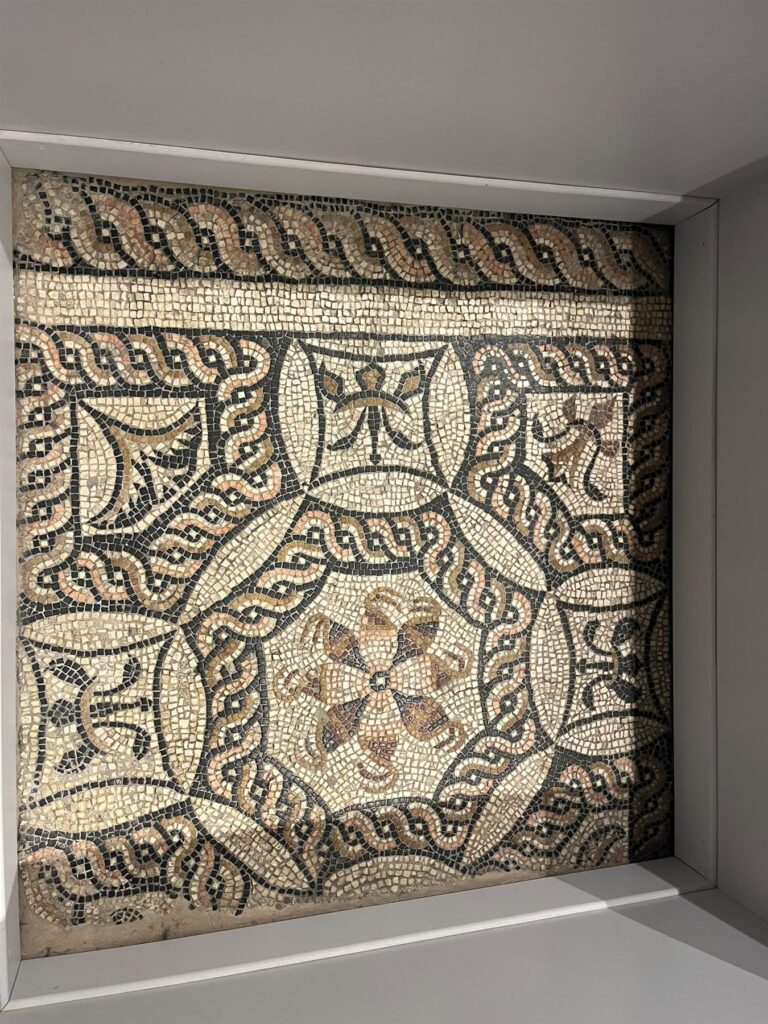
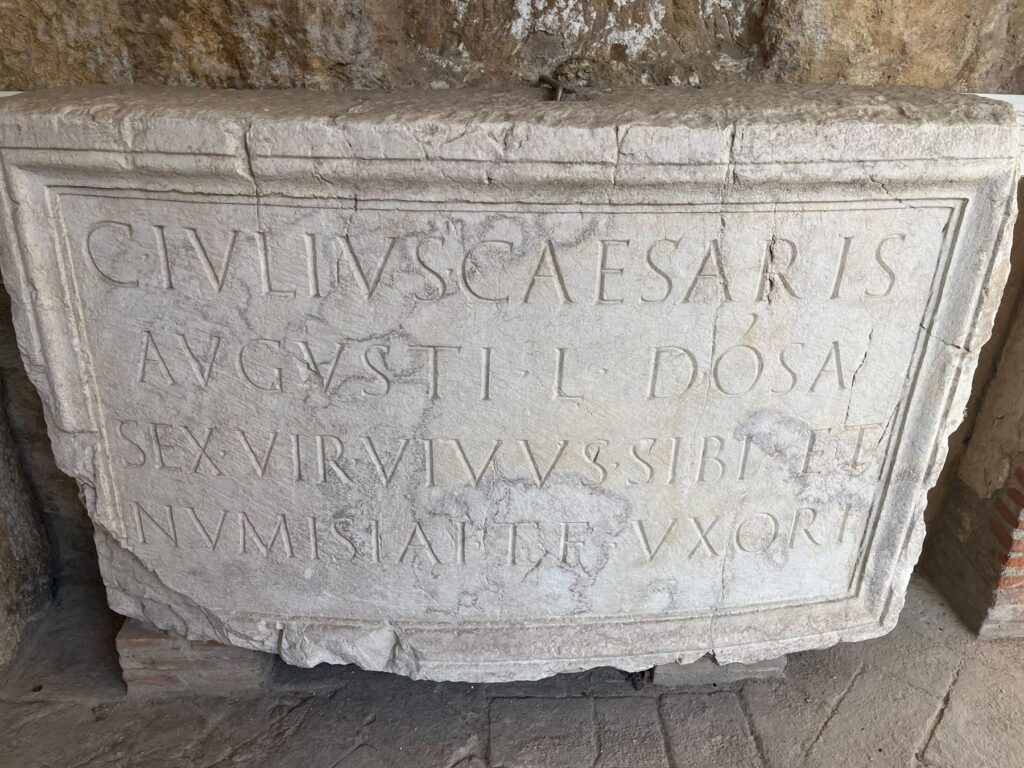
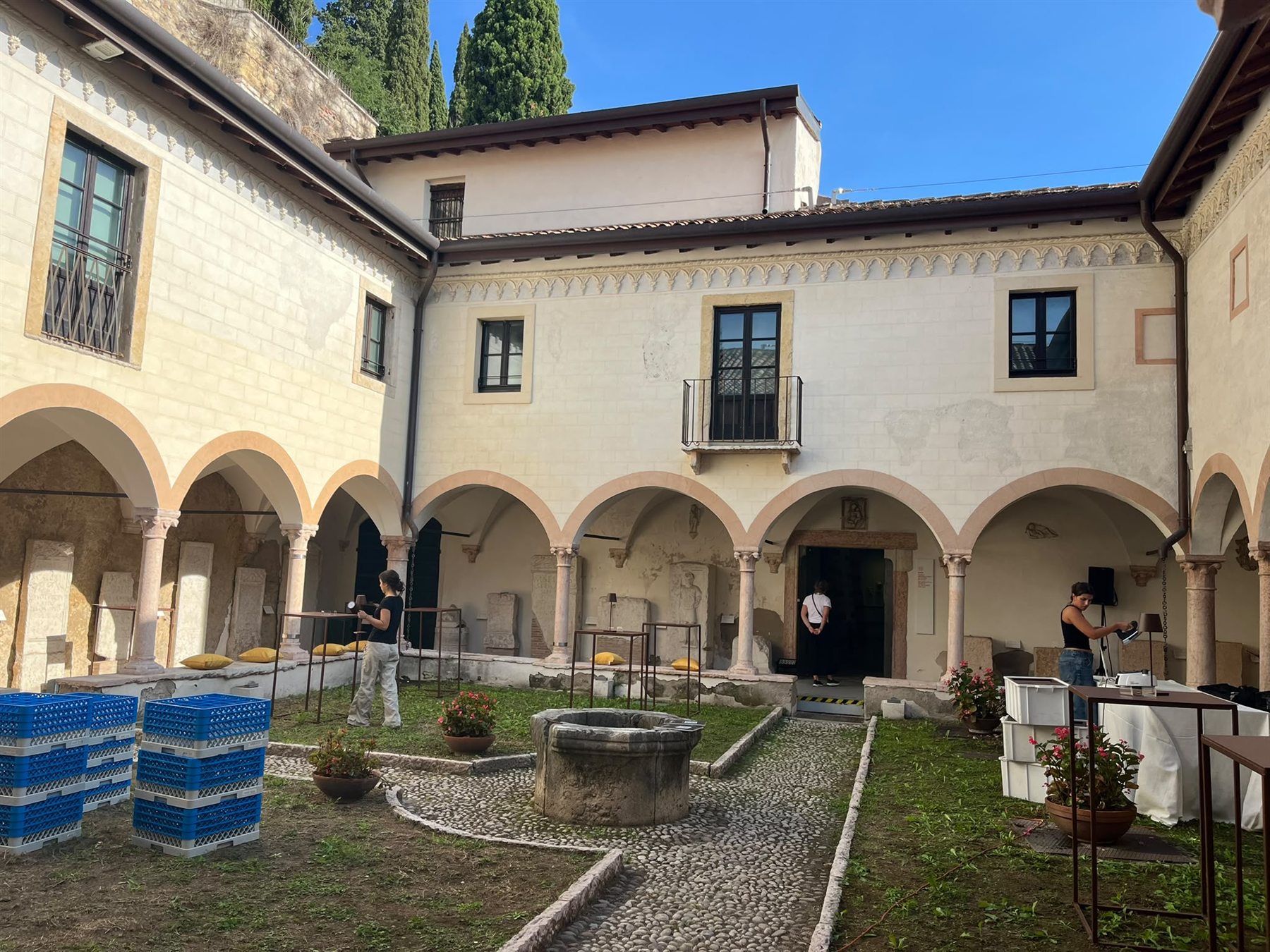
On the way down are the Roman Theatre and the archaeological museum, housed in a former convent with a cloister. Its mosaics and inscriptions are a lesson in how stone was worked two thousand years ago: white, black and red marble tesserae forming geometries any studio would sign today.
verona red.
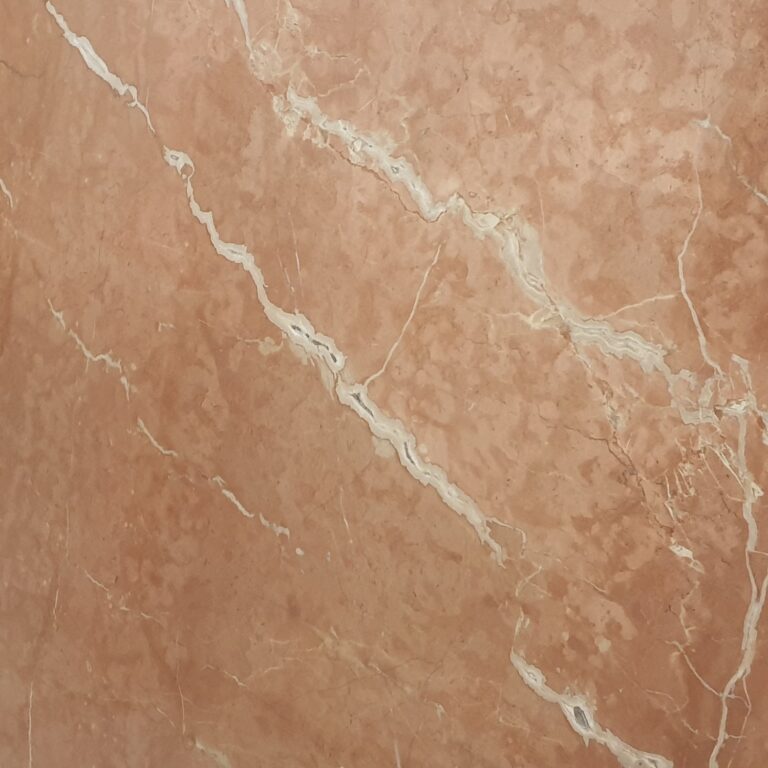
The stone that defines the city is rosso Verona, a reddish nodular limestone from the Valpolicella quarries a few kilometres away. It is everywhere: plinths, steps, window frames, columns and floors. And it is not a flat red: it ranges from salmon to brick red, with paler nodules.
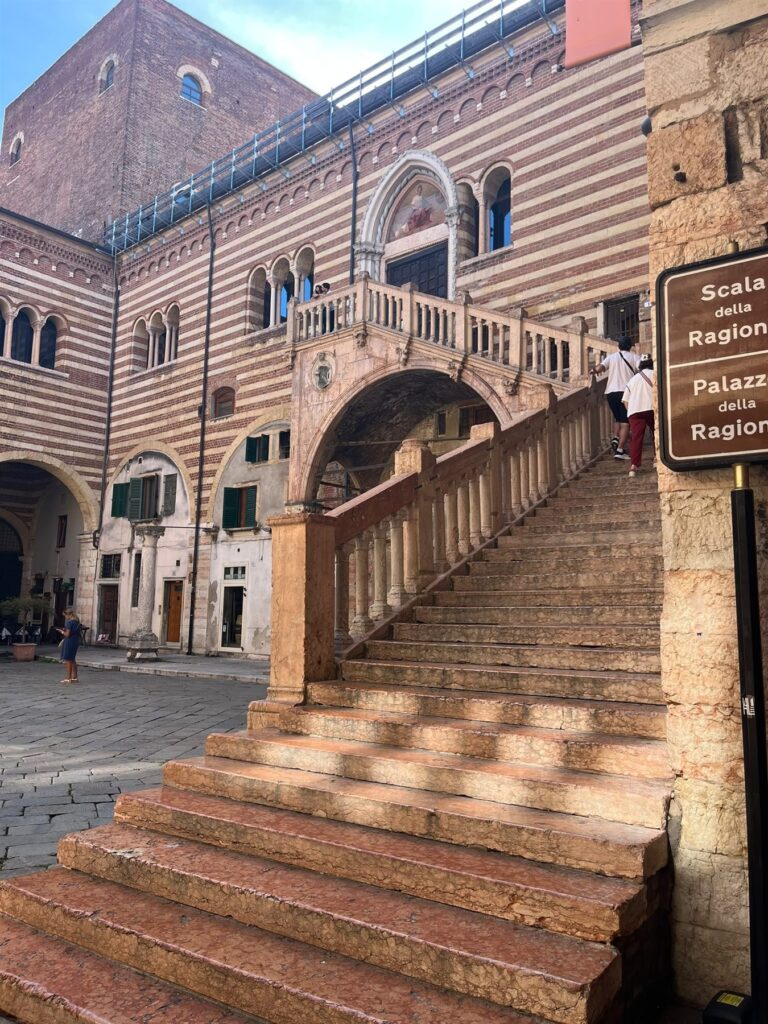
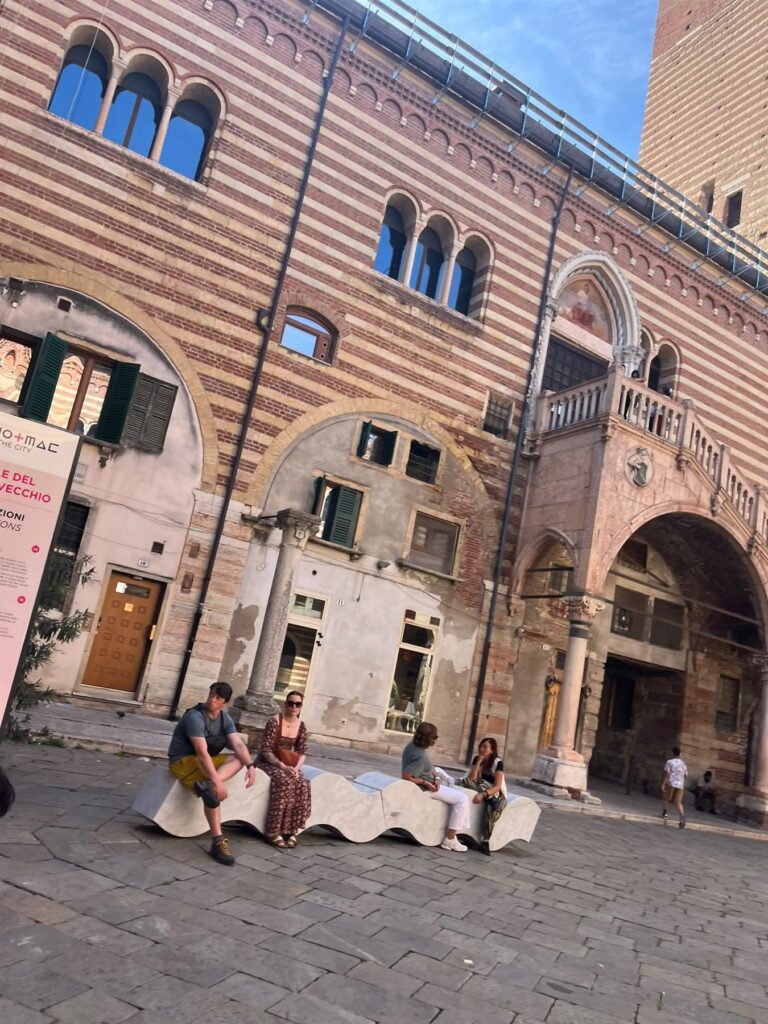
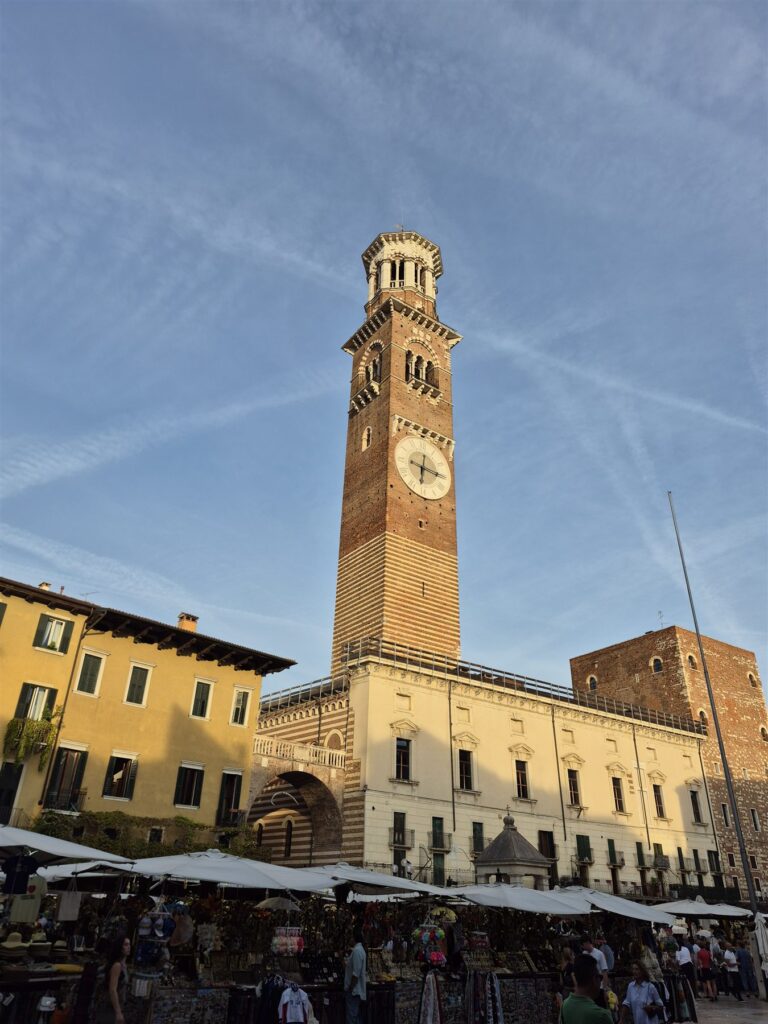
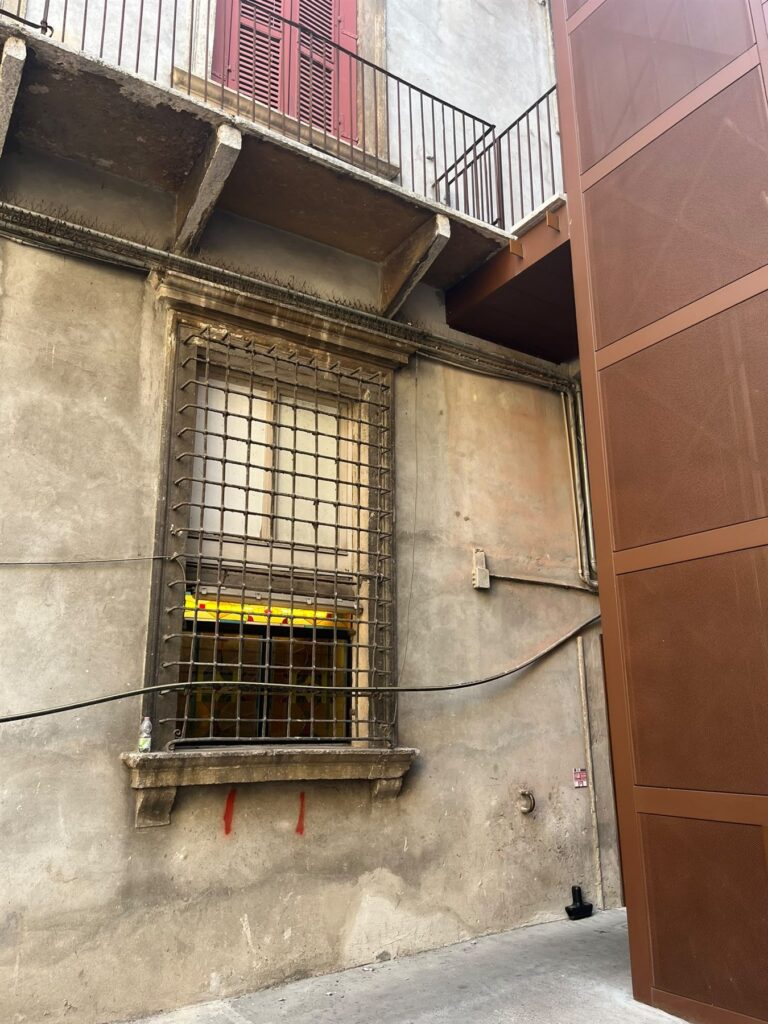
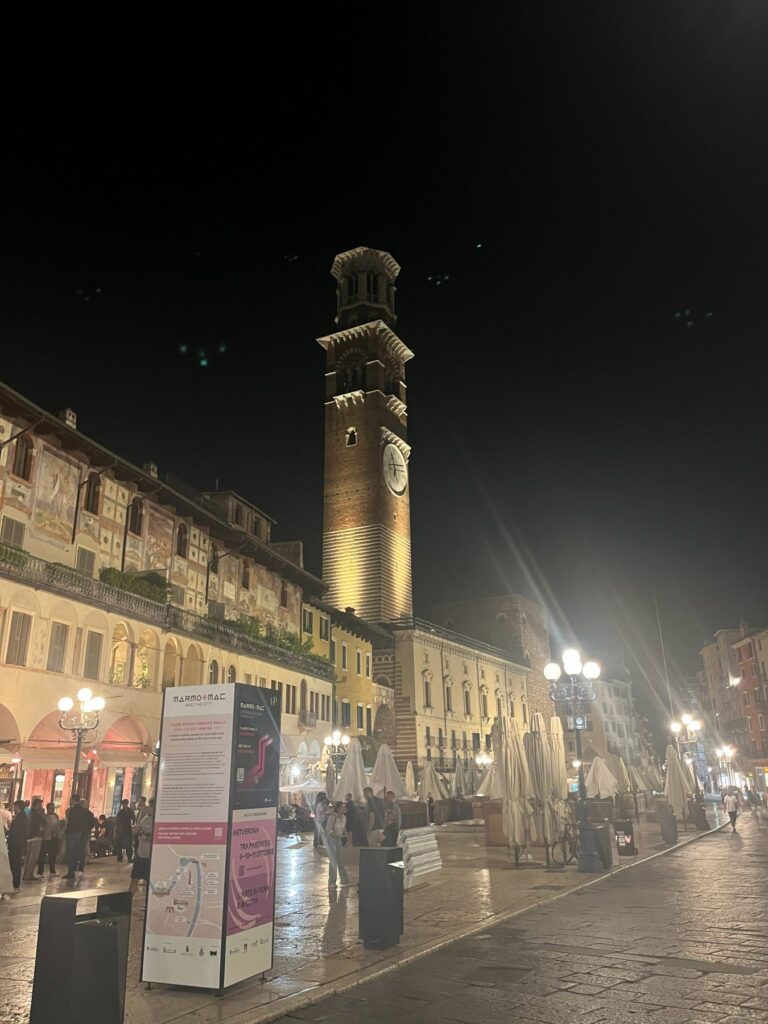
The Scala della Ragione, in the Cortile Mercato Vecchio, is the best lesson: a fifteenth-century outdoor staircase with red marble treads worn by five centuries of use. Next to it, the Torre dei Lamberti alternates bands of brick and stone, and nearby a contemporary intervention in corten steel sits against the medieval walls without apology. That dialogue between old and new is the one that interests us most.
walk looking down.
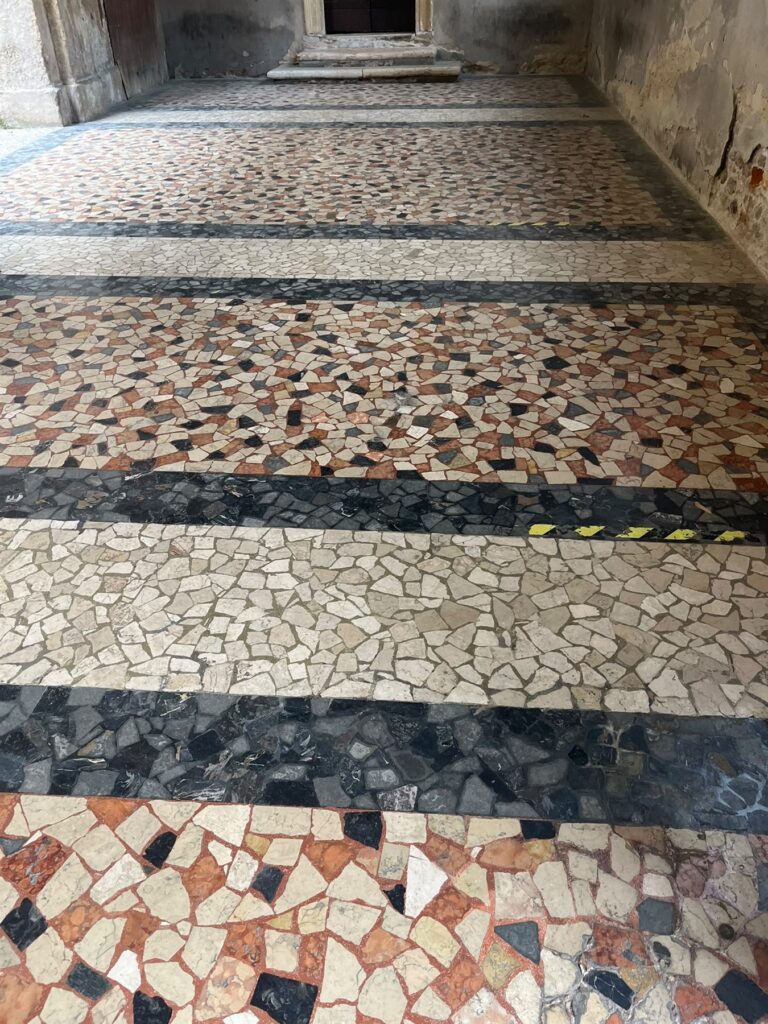
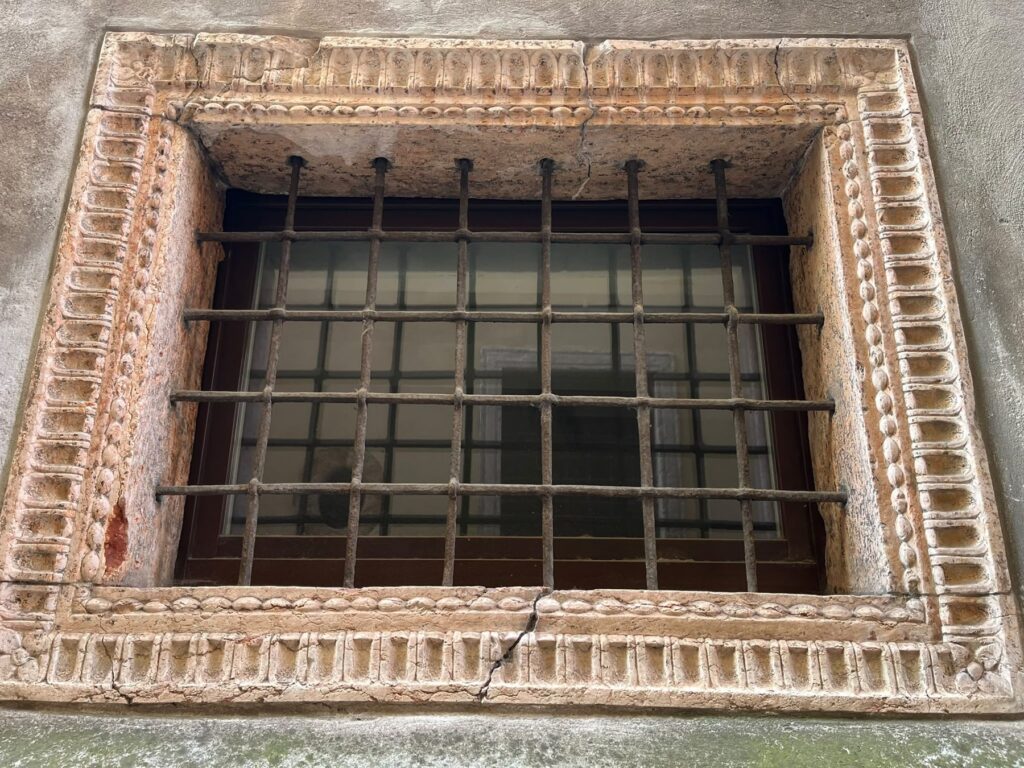
In Verona you have to walk looking at the ground. Doorways and courtyards reveal floors of coloured marble fragments, palladiana style, with stone bands ordering the pattern. Window frames are carved pieces any joiner would envy. These are lessons in layout and detail you can take straight into a project.
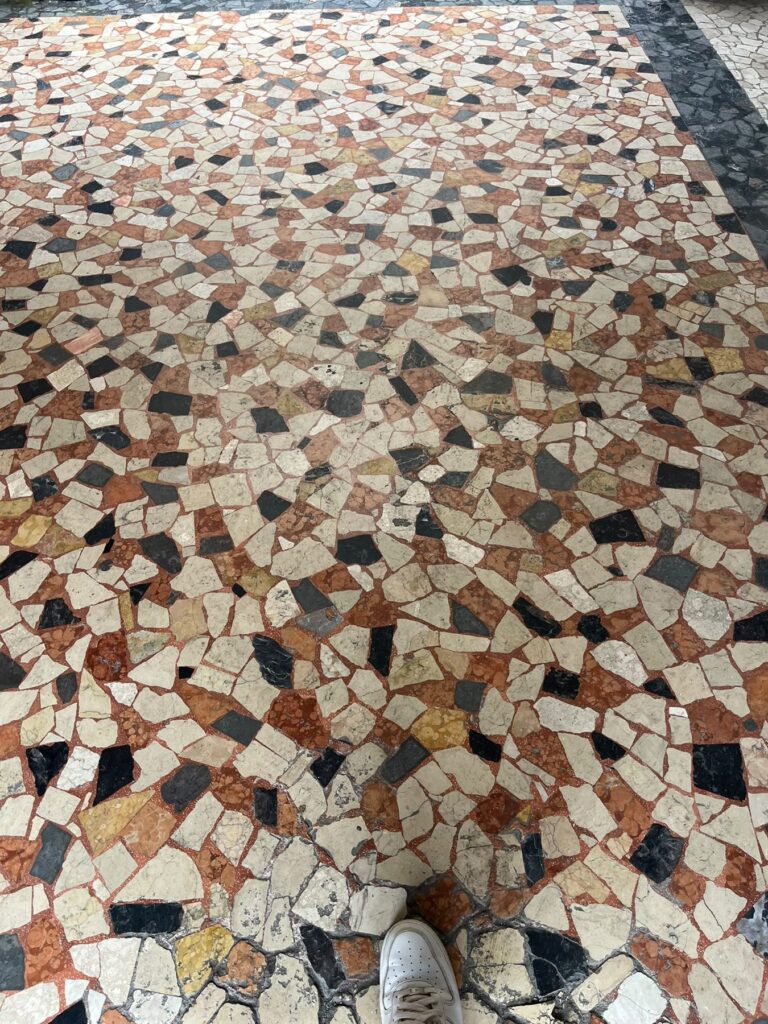
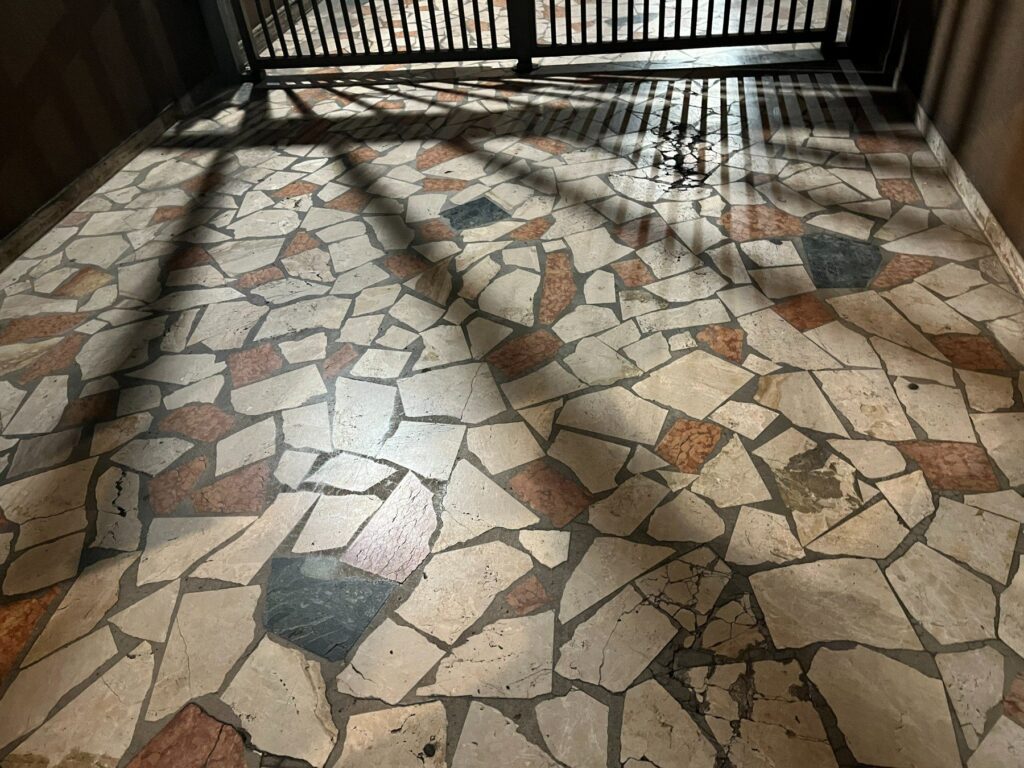
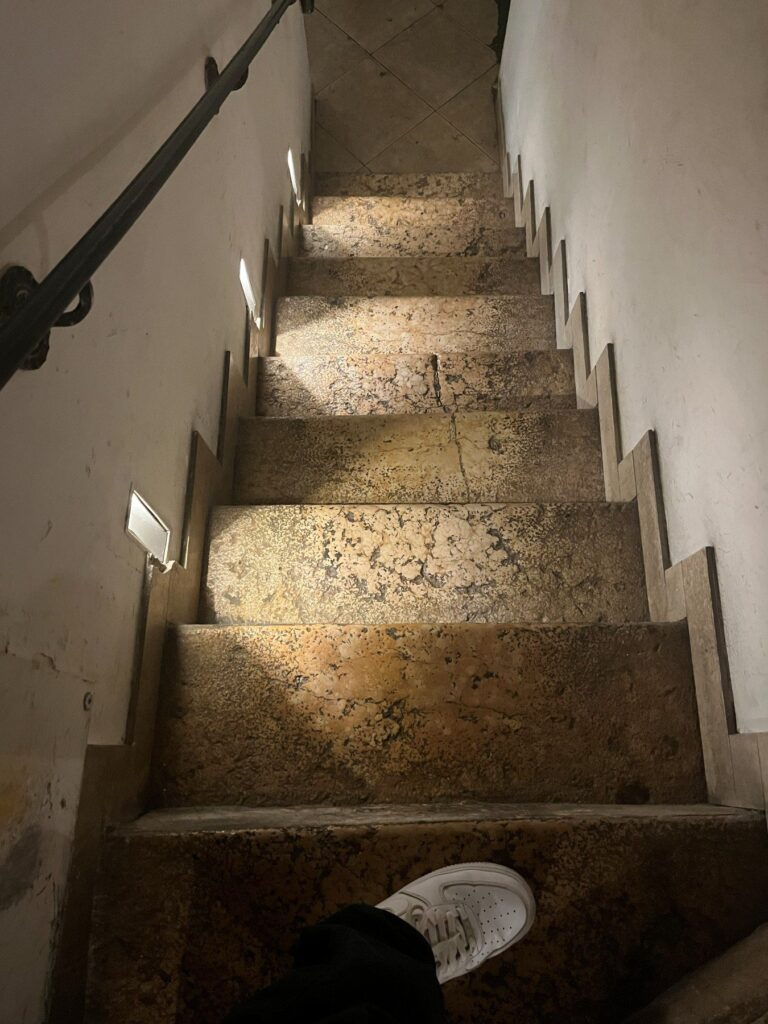
And the floor continues indoors: in entrance halls, broken marble drawn by the light through the grille; in cellars, stone steps worn by centuries of footsteps.
the city, slowly.
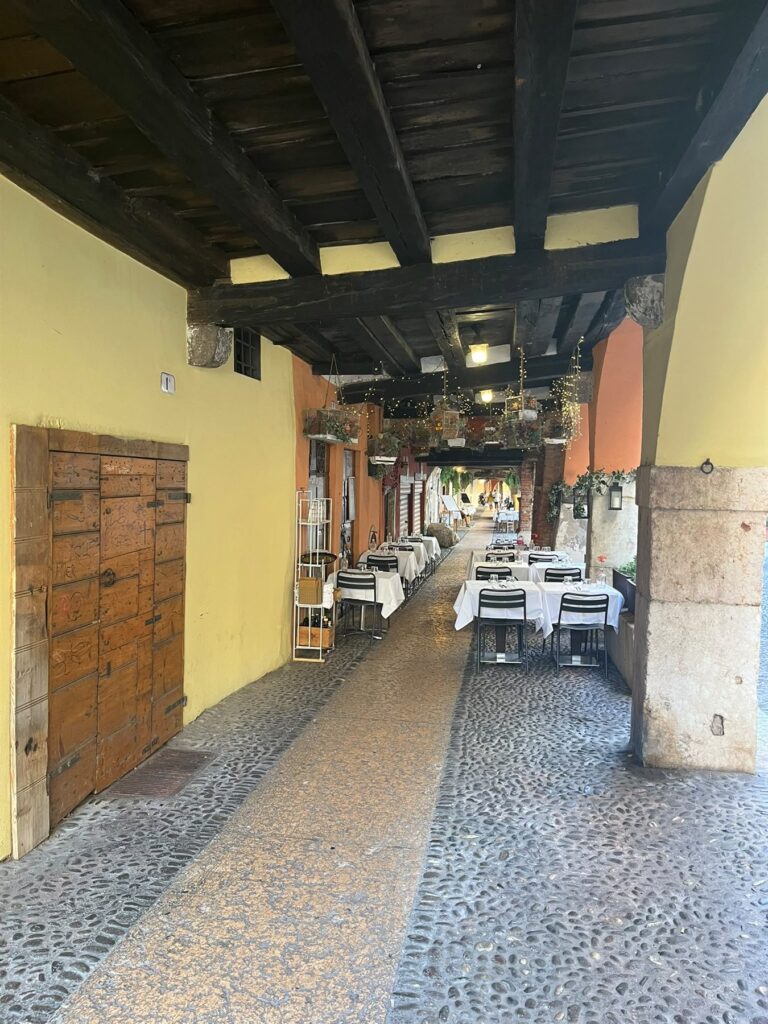
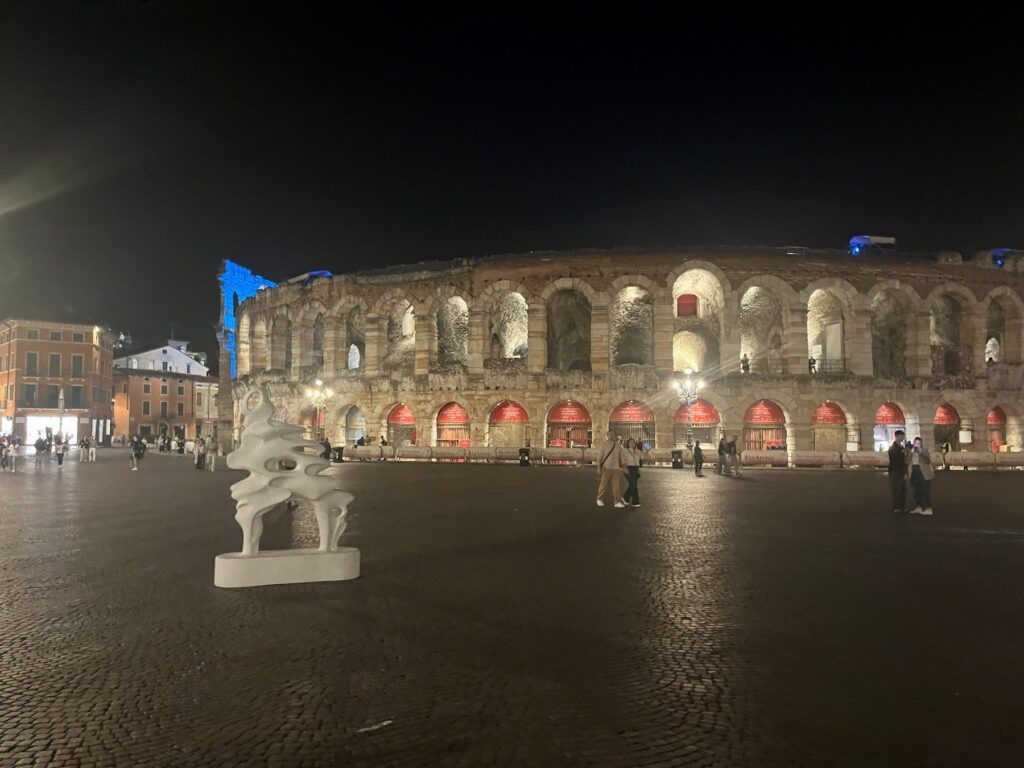
Piazza delle Erbe and Piazza dei Signori, with their palaces and stone benches. The Arche Scaligere, the Gothic tombs of the Scala family behind their wrought-iron railing. The Arena, the first-century Roman amphitheatre built in pink Valpolicella limestone. And in between, ochre alleys, green doors framed in stone and arcades with trattorias.
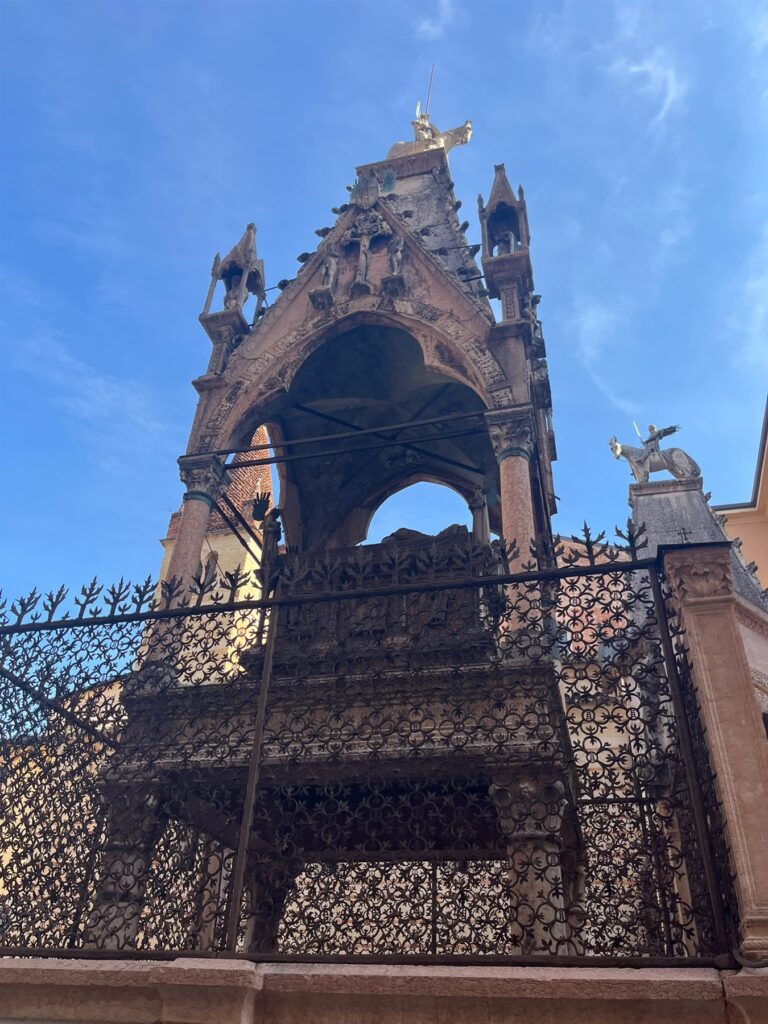
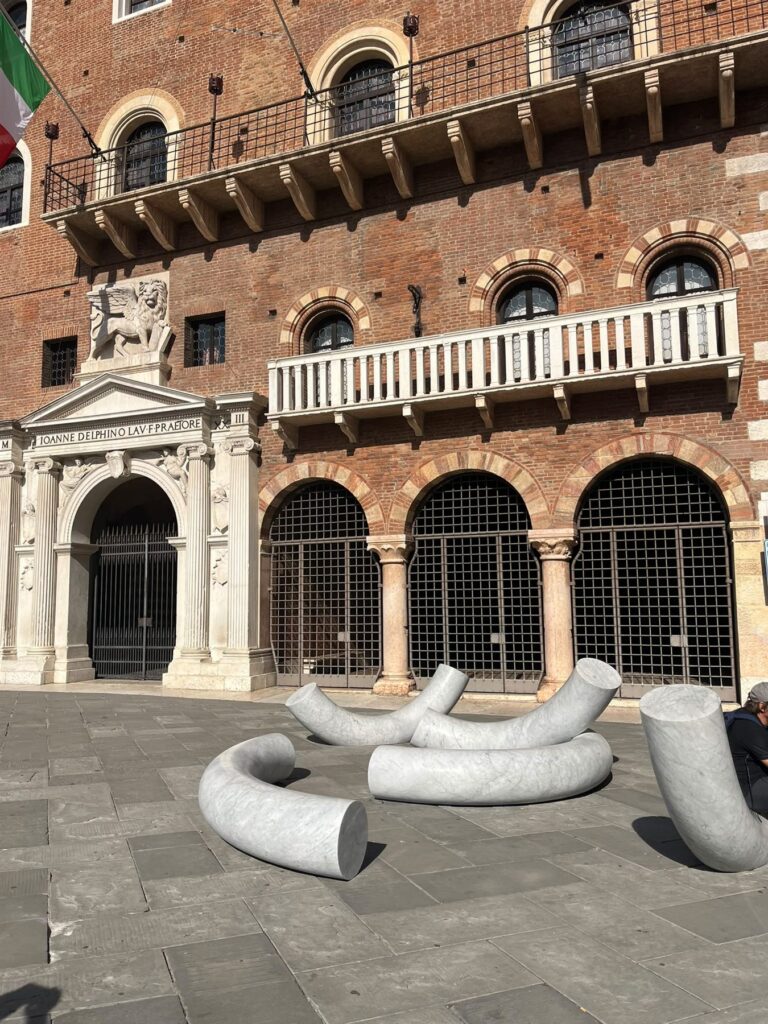
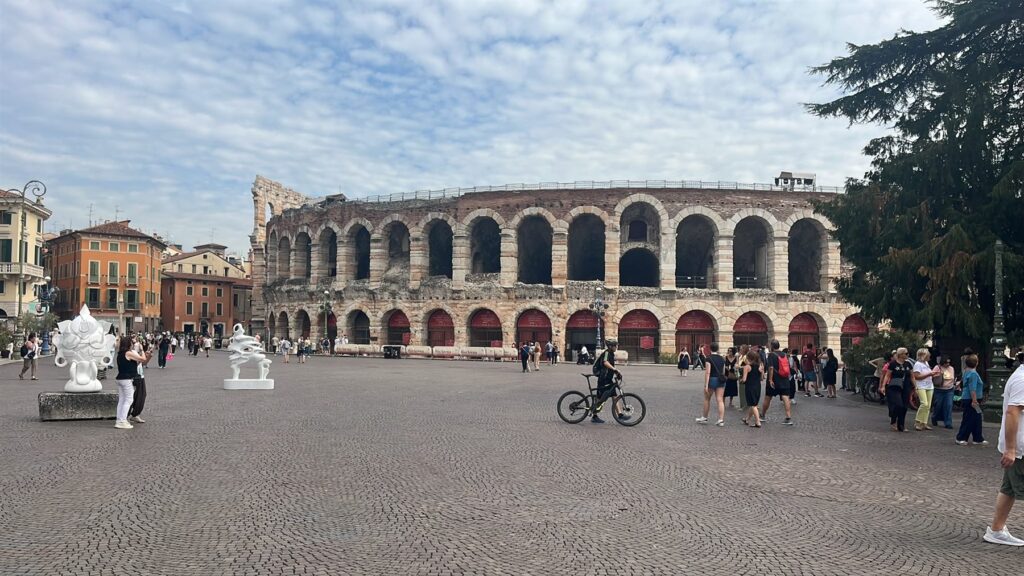
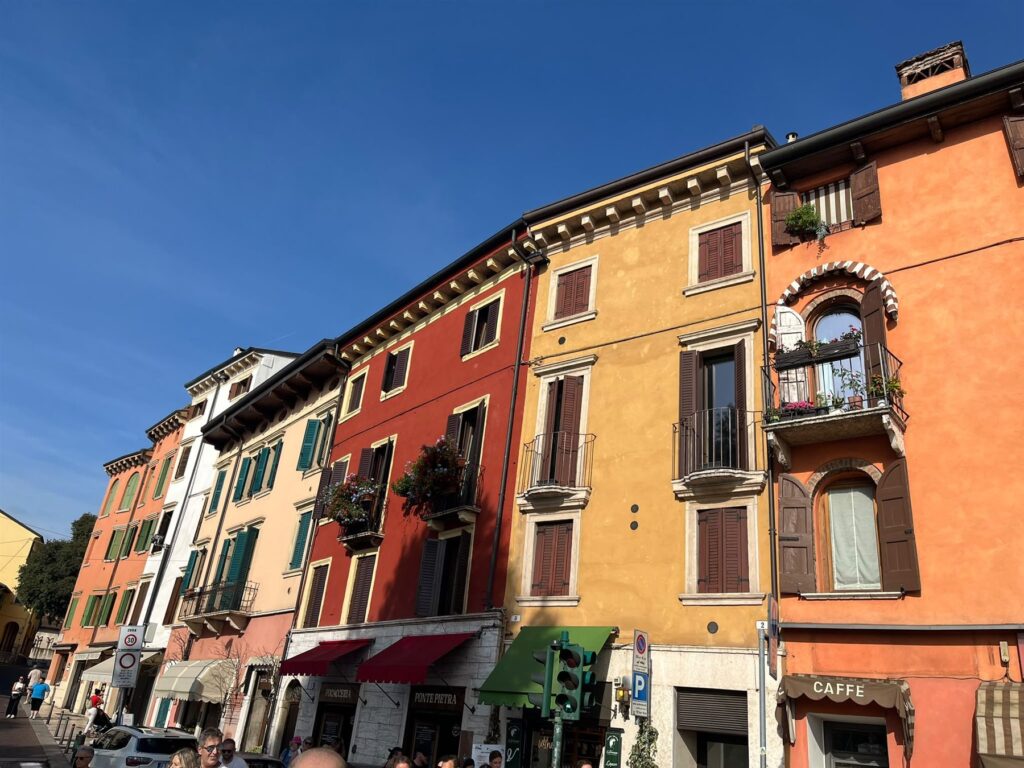
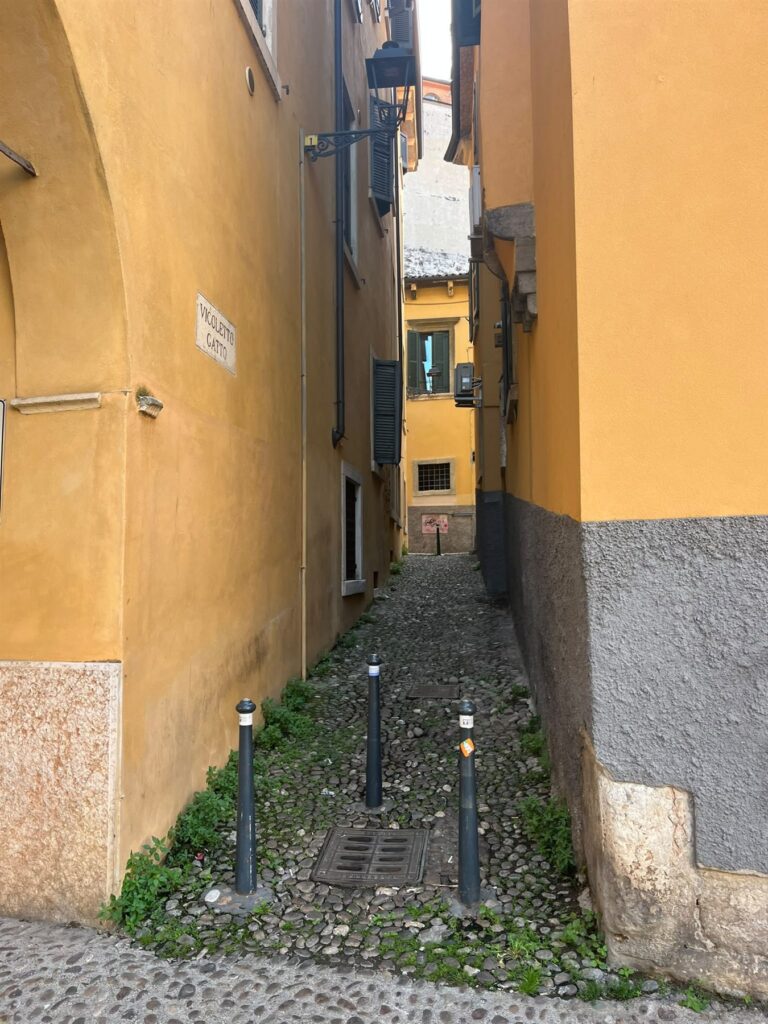
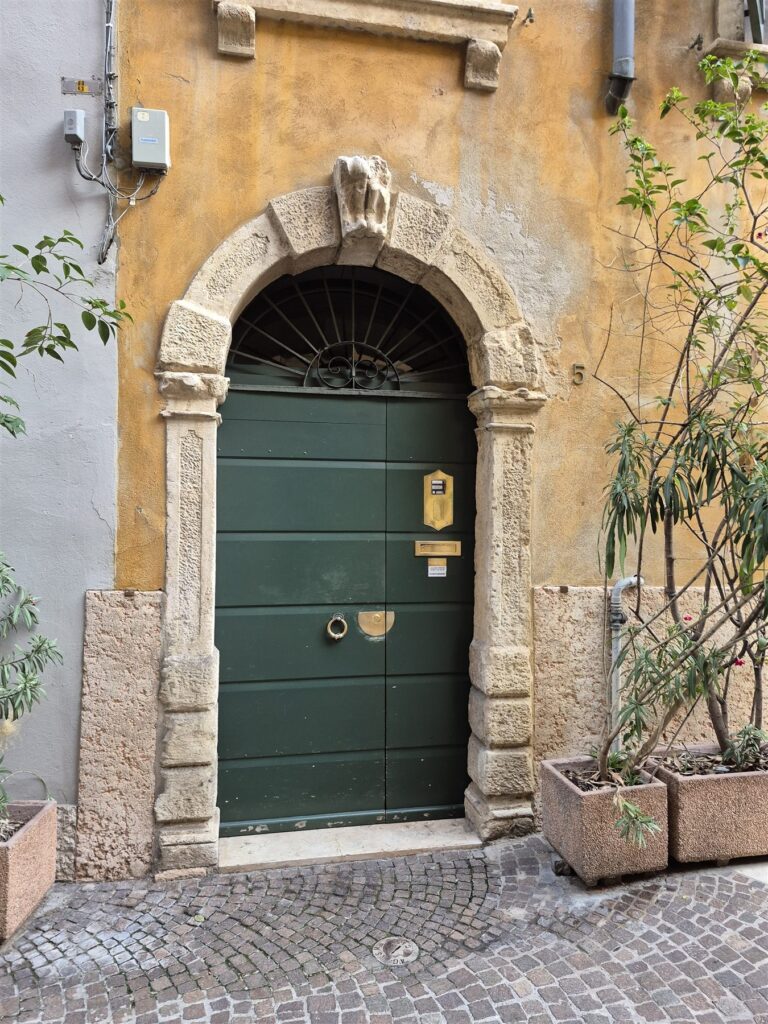
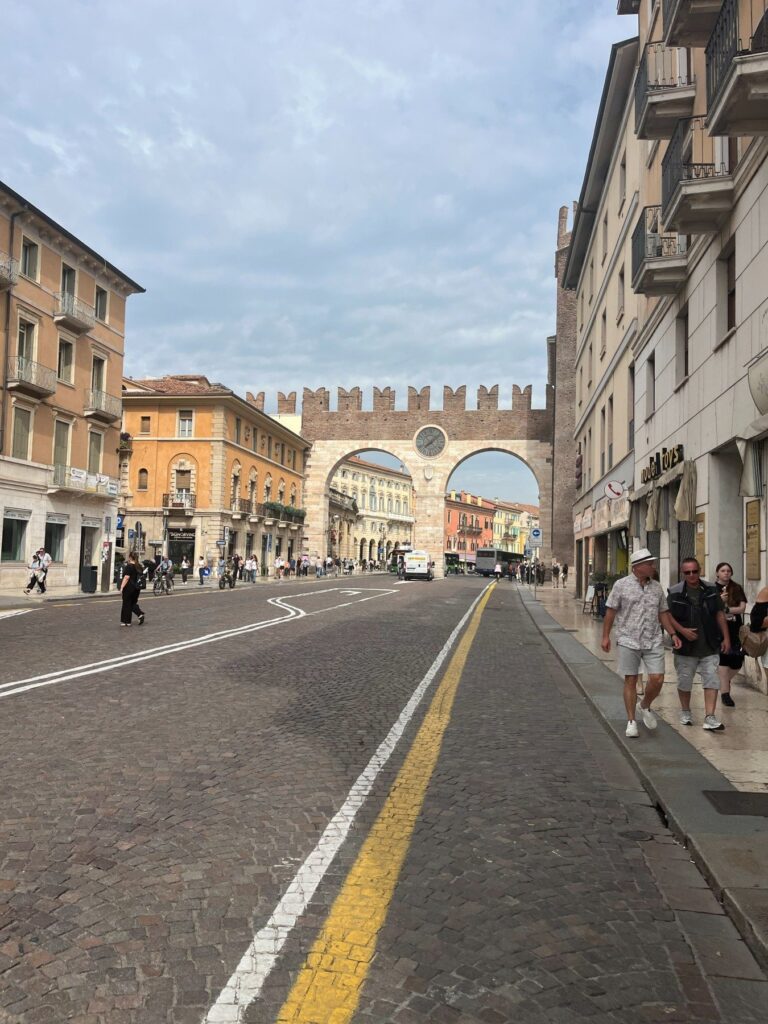
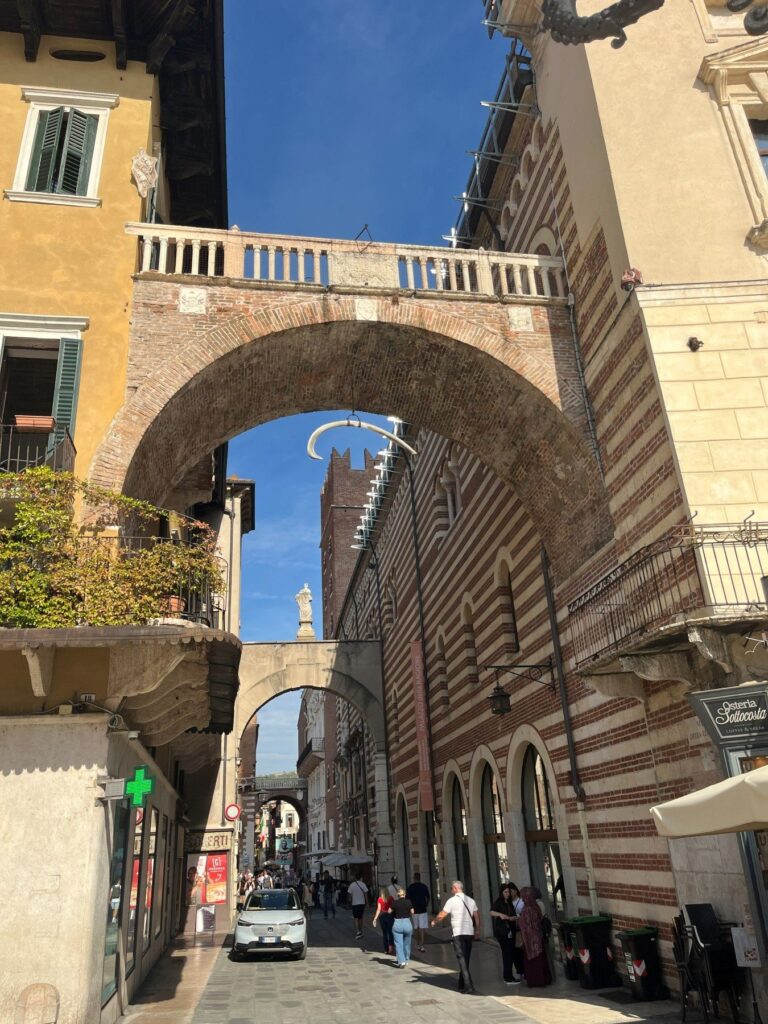
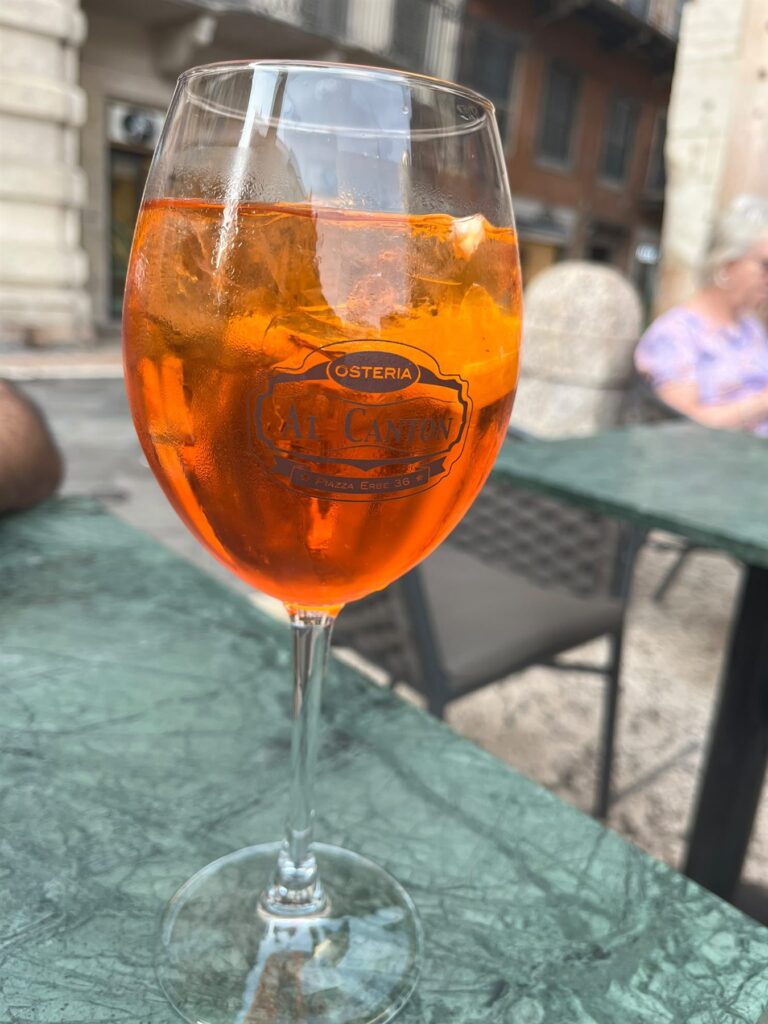
To end the day, a spritz on a terrace, on a green marble table. That is how far stone goes in Verona.
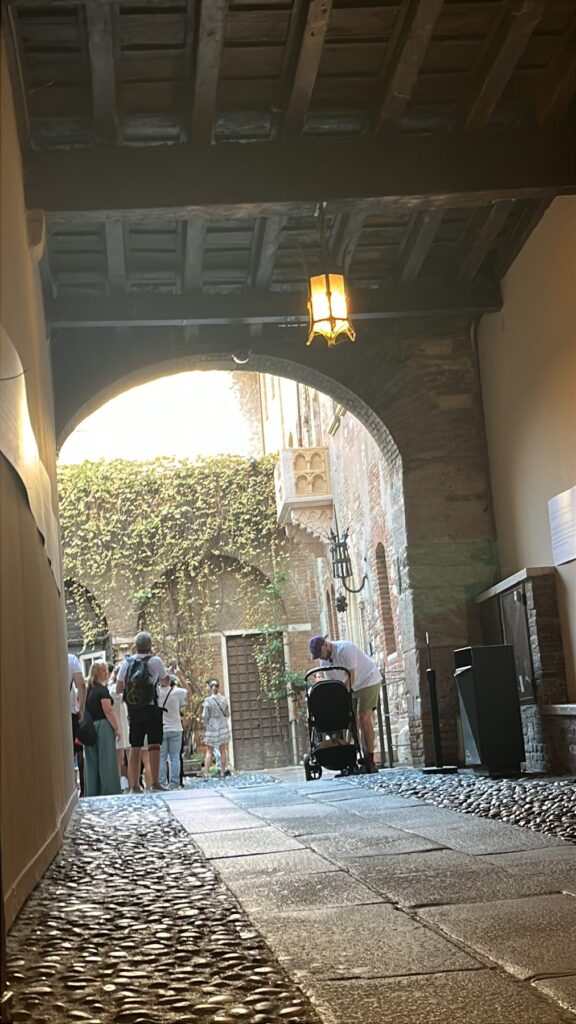
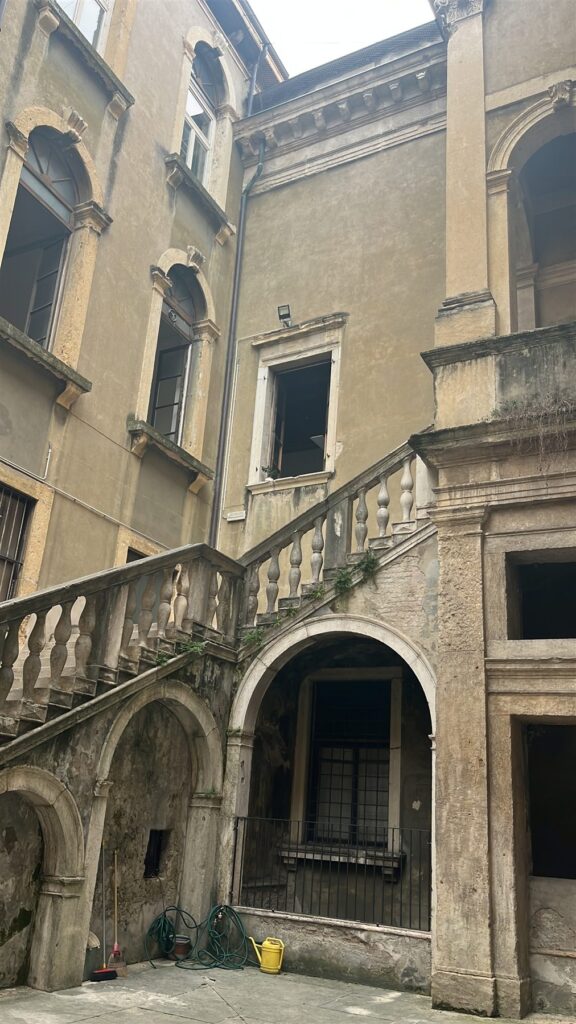
And peek through the doorways: behind many of them are palace courtyards with stone staircases and porticoes that appear in no guidebook.
eat, and come back at night.
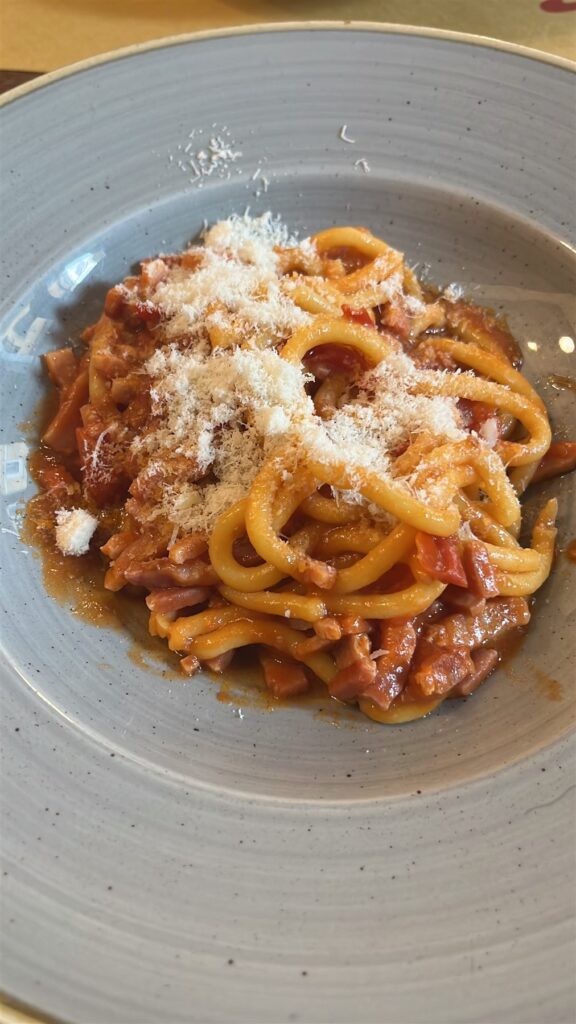
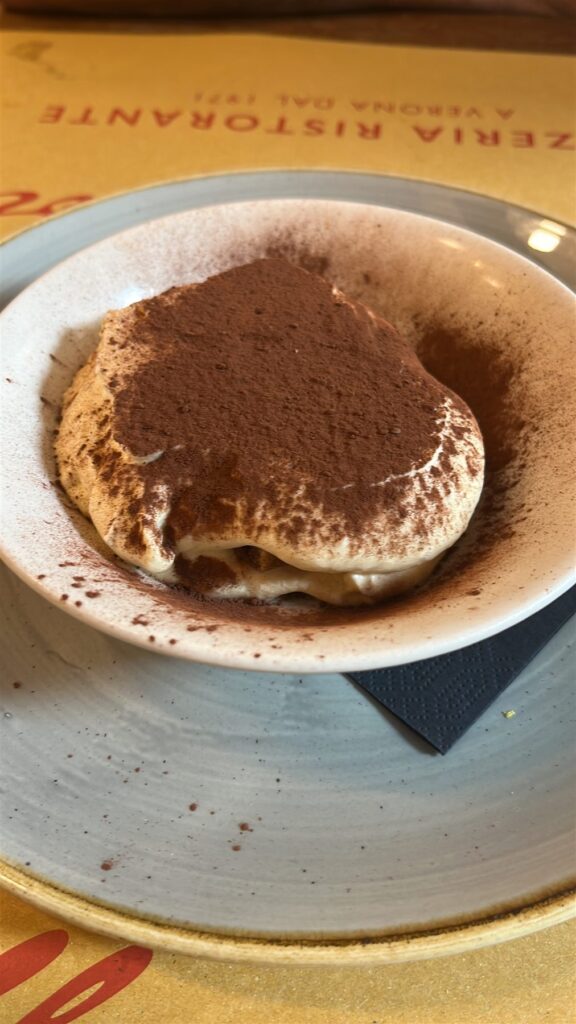
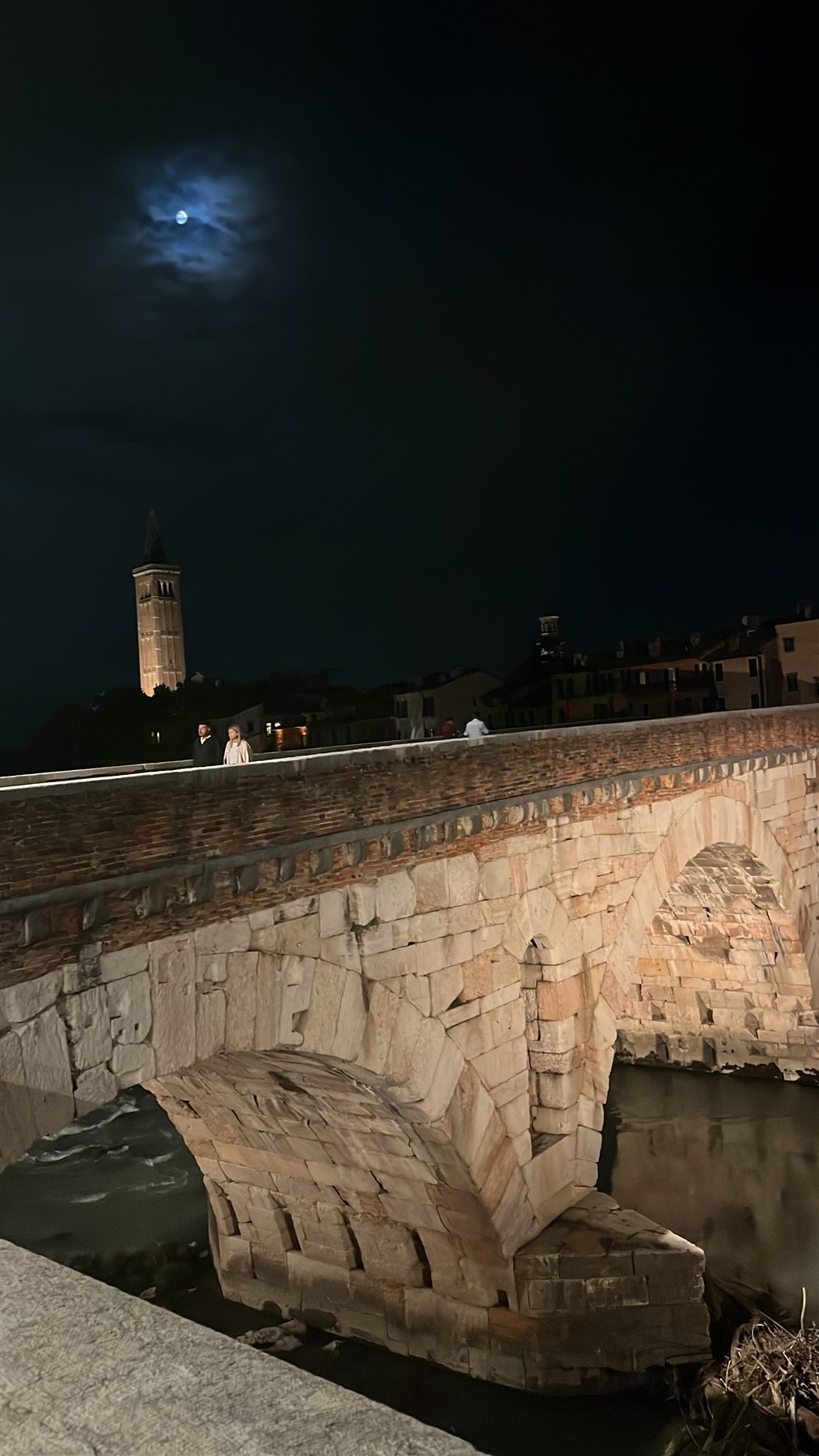
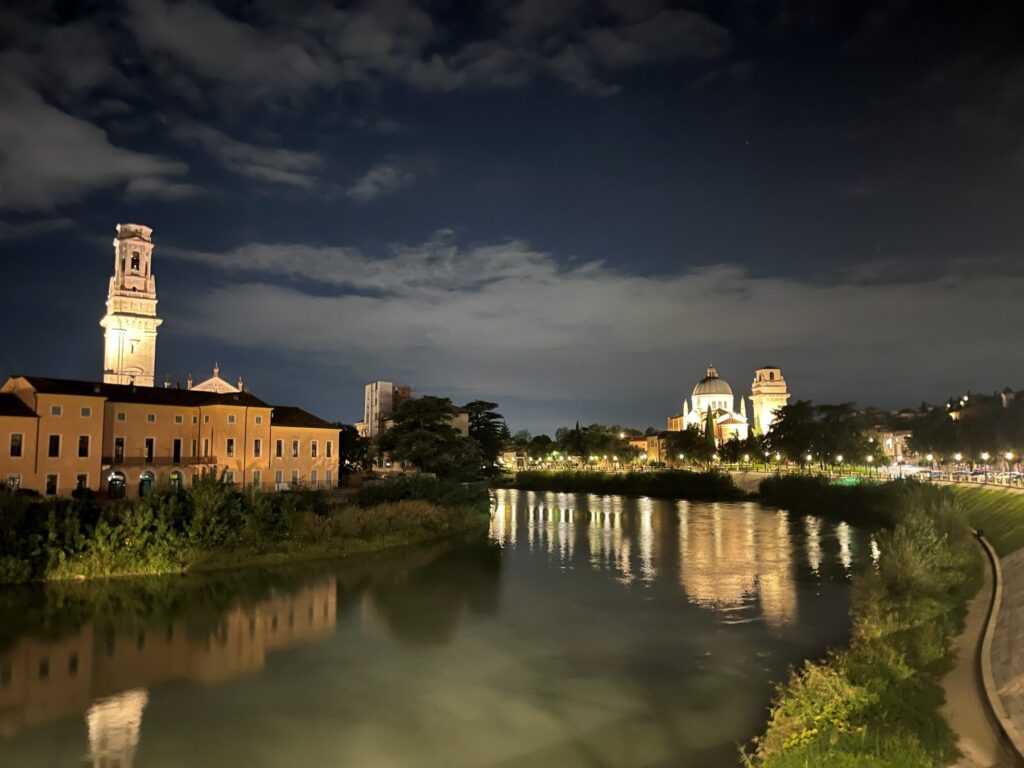
Verona eats well and without fuss: fresh pasta with ragù and a tiramisù in any trattoria in the centre. Afterwards it is worth returning to the Ponte Pietra at night. The Roman bridge was blown up in 1945 and rebuilt in the late fifties with the original blocks recovered from the river. Rarely is it so clear that stone has memory.
day trip: venice and scarpa.
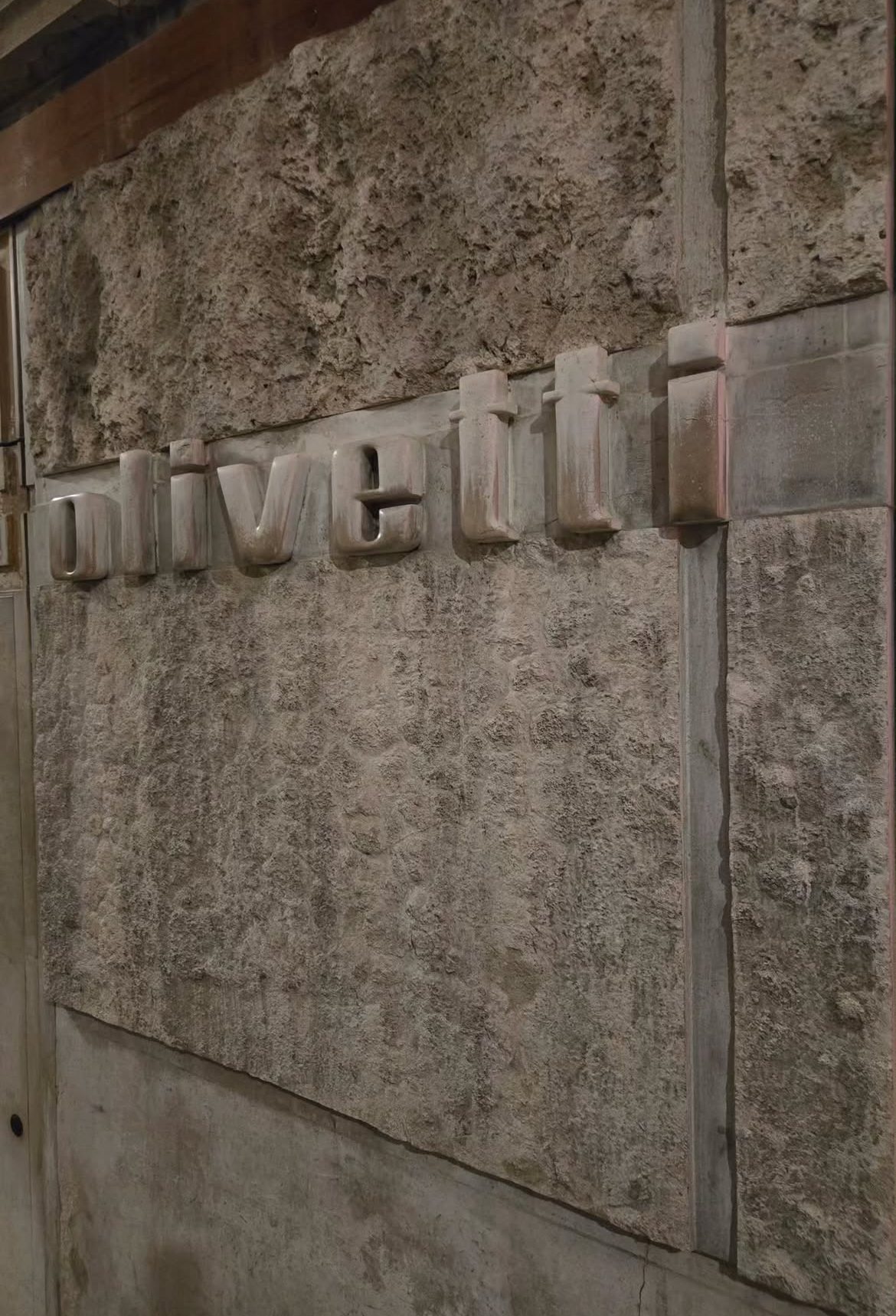
Just over an hour away by train is Venice, with a must-see stop for any architect: Carlo Scarpa’s Olivetti showroom on Piazza San Marco. Stone, water and detail taken to the limit. It now has its own entry: venice. stone on water →
 Rojo Alicantesee the stone →
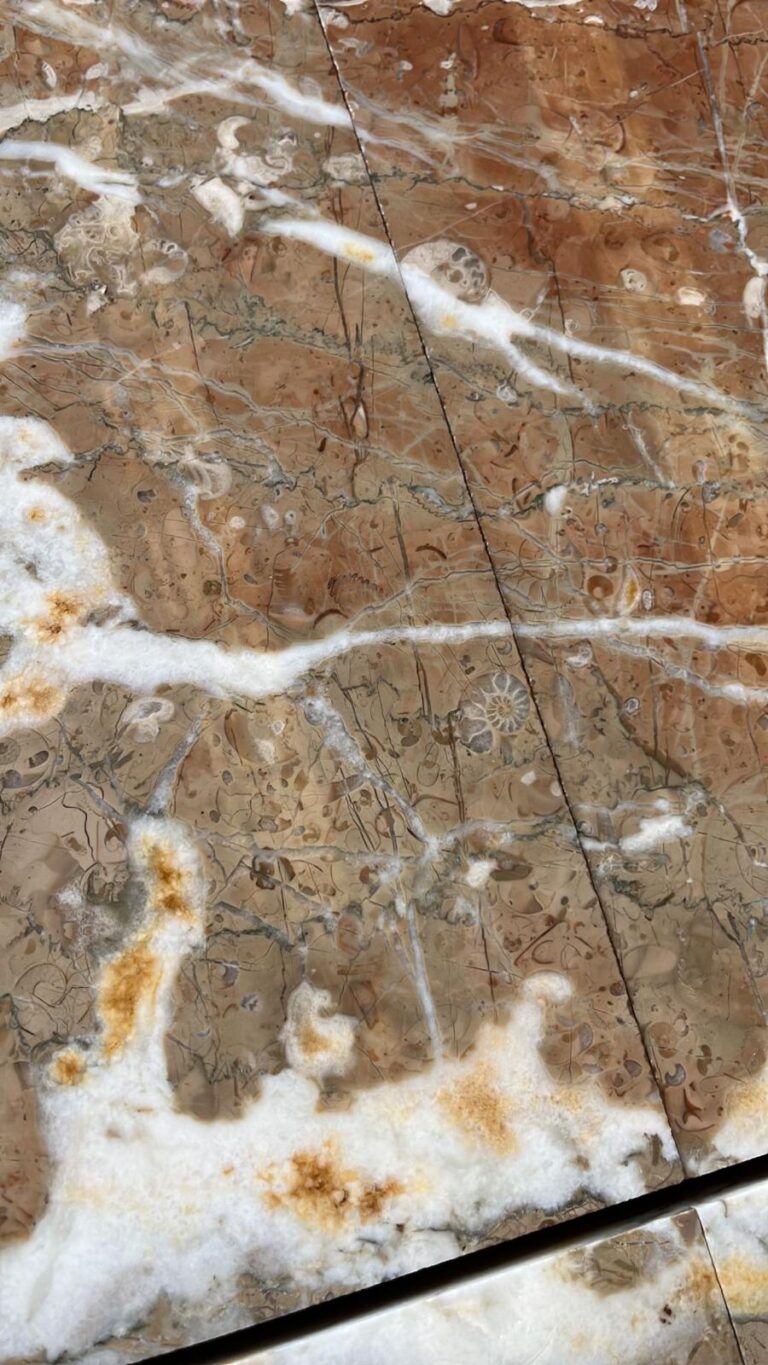 Rojo Coralitoask us
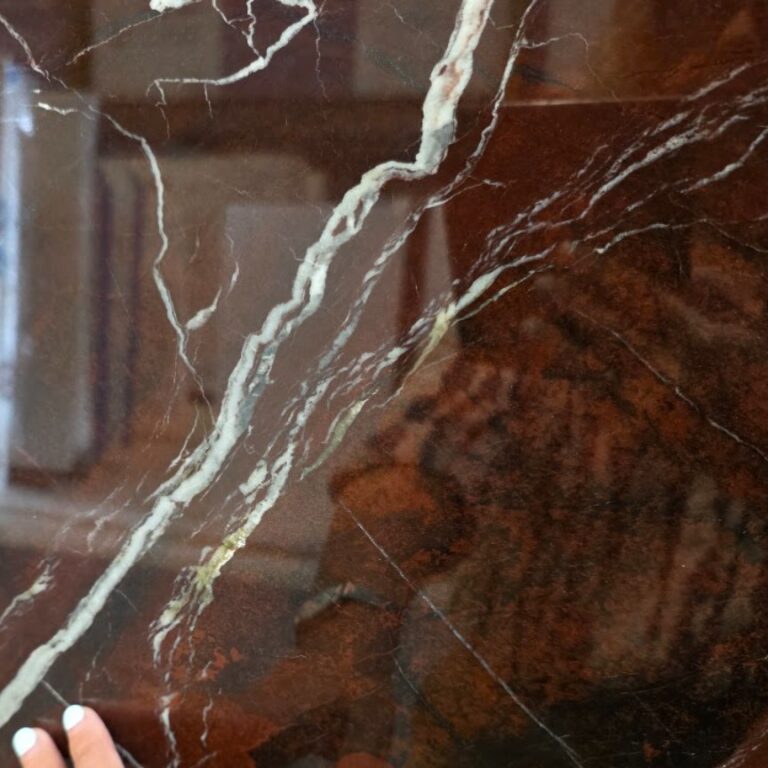 Rosso Levantoask us
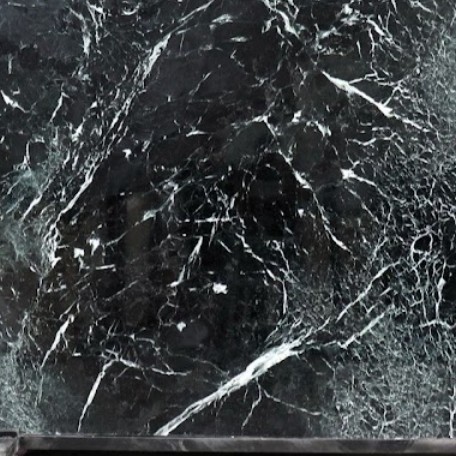 Verde Alpiask us
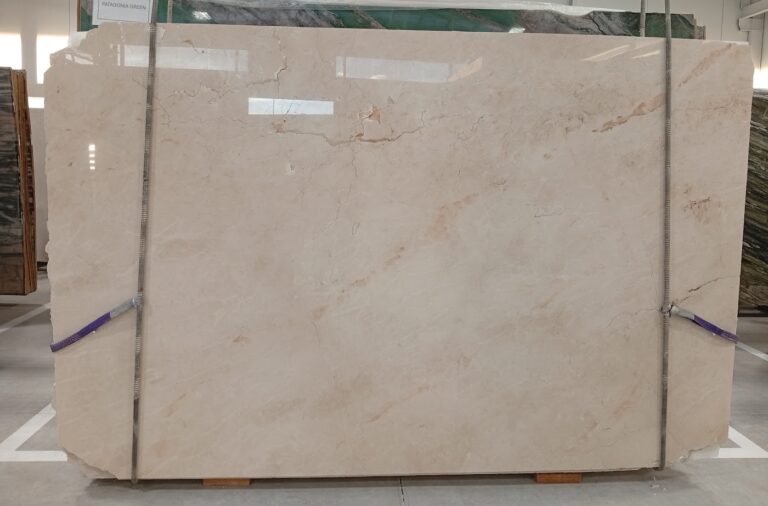 Crema Marfilsee the stone →
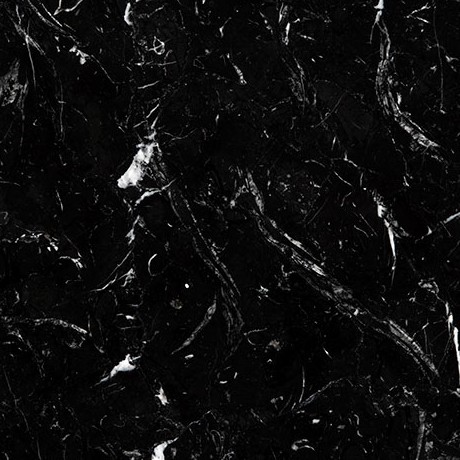 Negro Marquinasee the stone →
nothing else.
Travel, fairs, quarries and buildings, told by an architect. We only write when there is something to tell, and you can unsubscribe at any time. By subscribing you accept our privacy policy.
bala material studio · alicante