— FINISHES
one stone,
many surfaces.
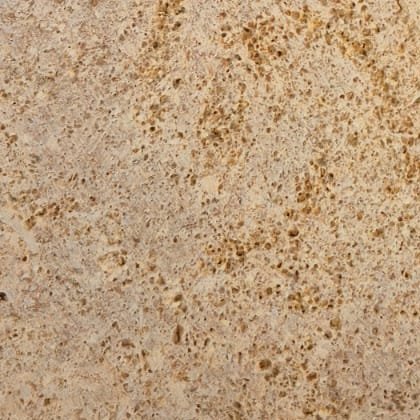
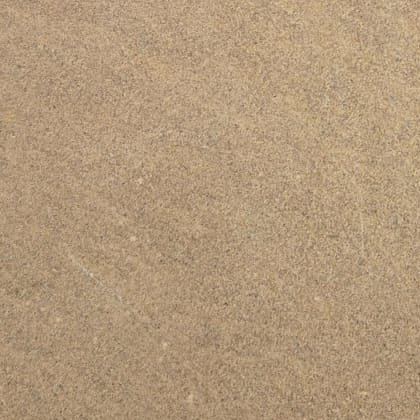
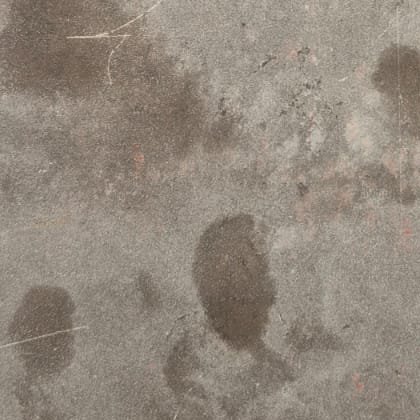
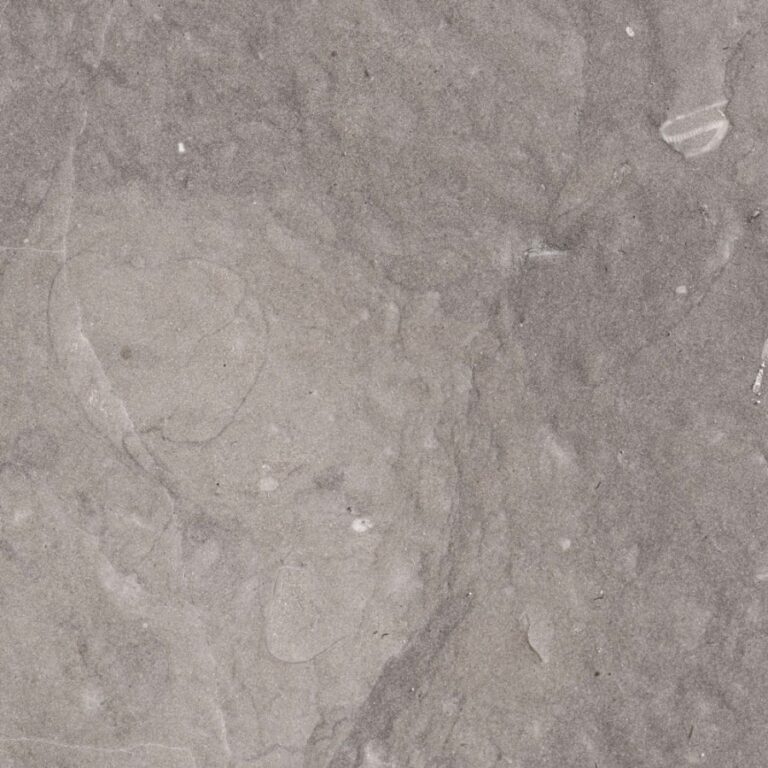
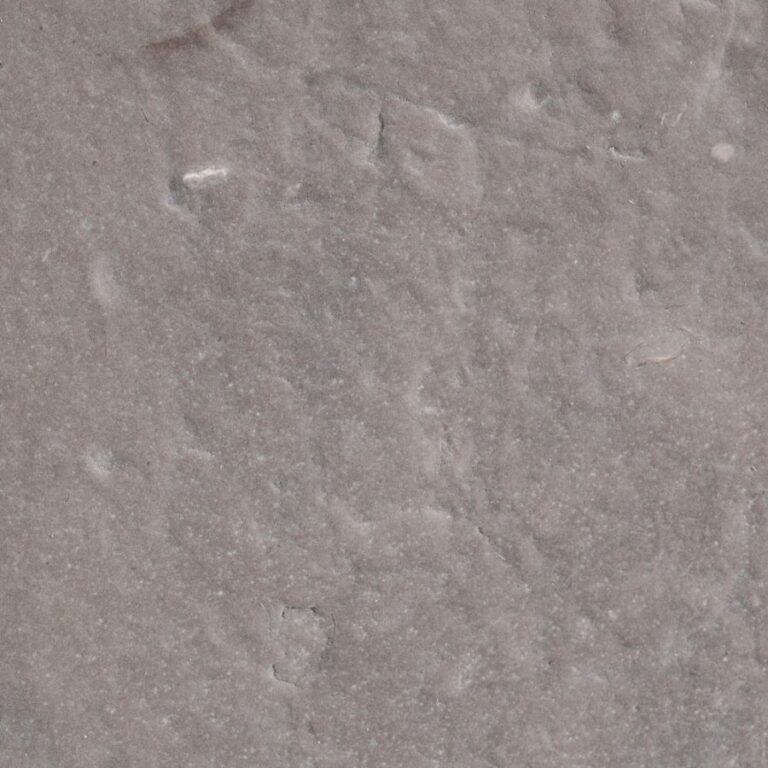
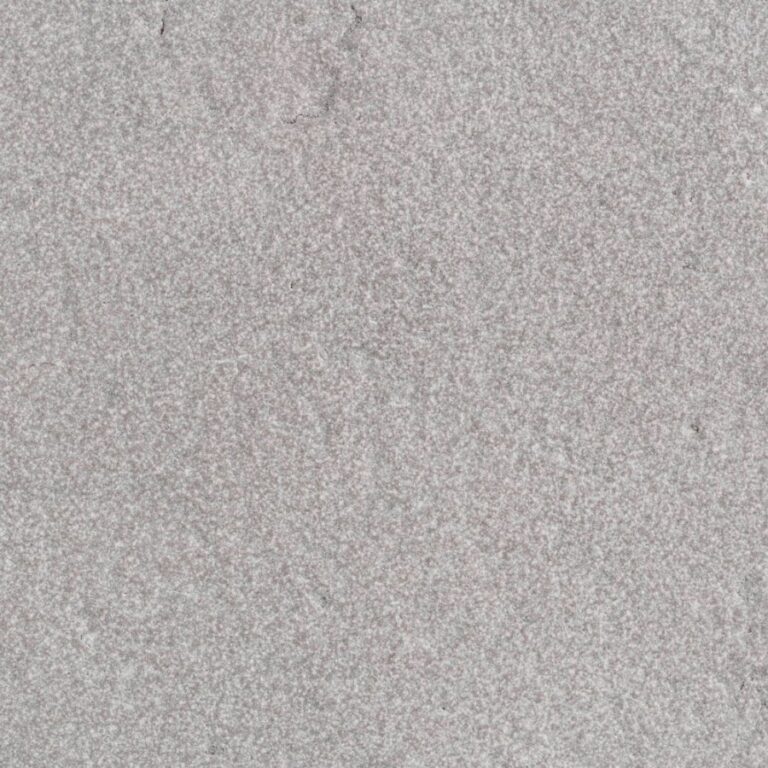
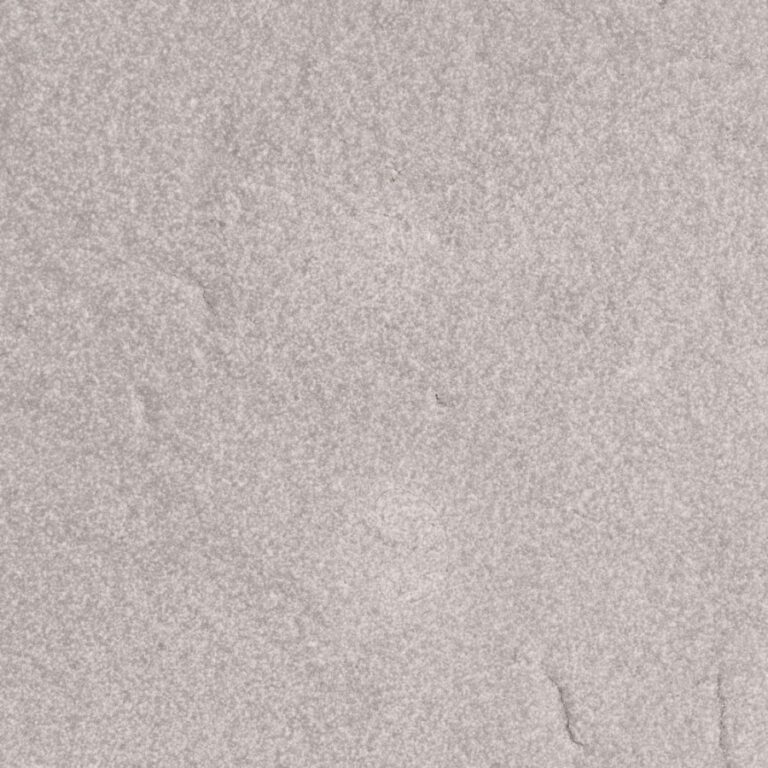
The finish changes the colour, the feel and the shine, and above all how the stone behaves: whether it is slippery, whether it stains, whether it stands up to the weather. These are the most common ones, with real samples of stones we work with.
what each finish is and where to use it.
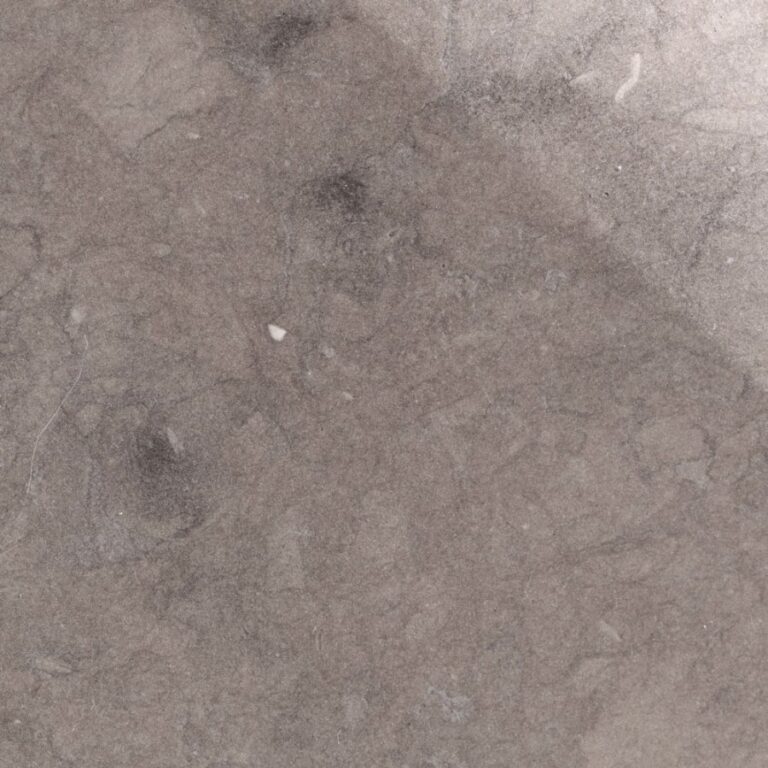
polished
The stone is ground with ever finer abrasives until it shines like a mirror. It brings out the colour and the veining.
slip resistance: low: slippery when wet
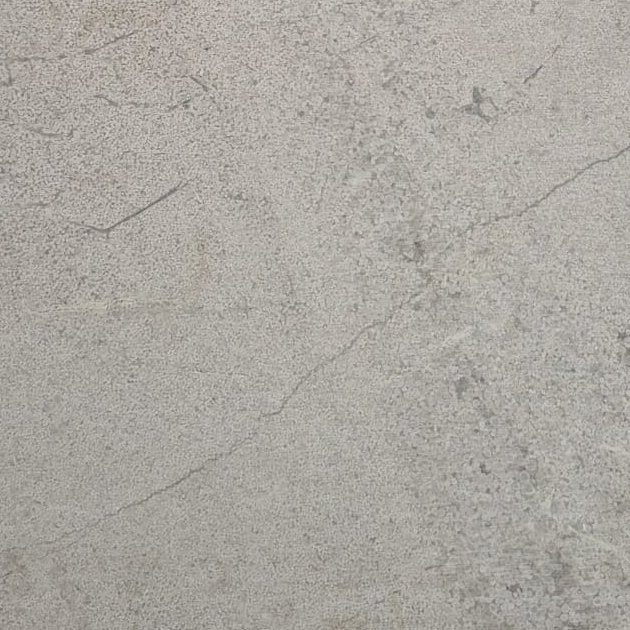
honed
Polishing stopped before the shine: a smooth, matt surface, soft to the touch. It hides wear better than polished.
slip resistance: medium
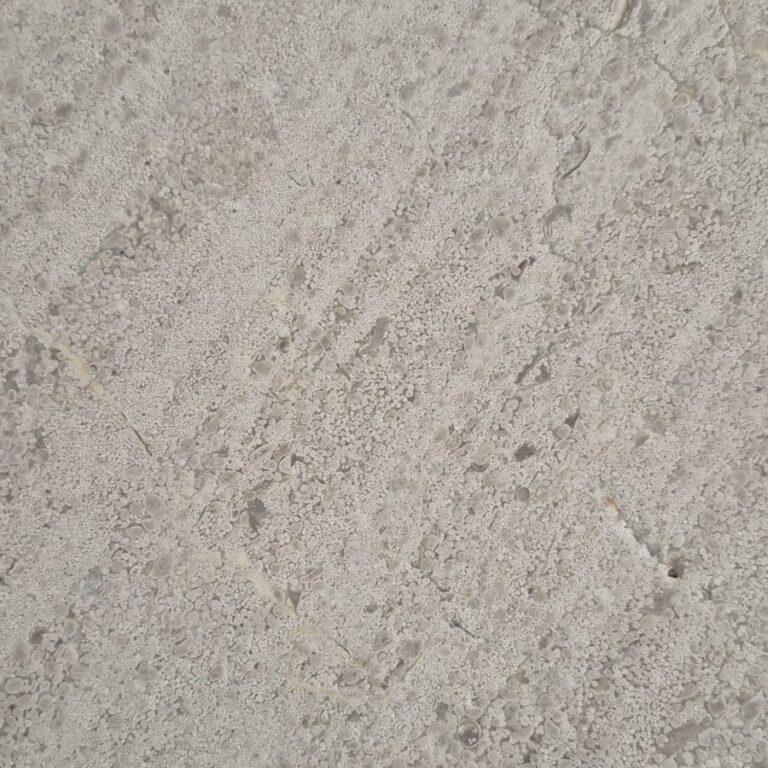
brushed
Abrasive brushes that soften the surface and leave a silky feel with a slight undulation.
slip resistance: medium
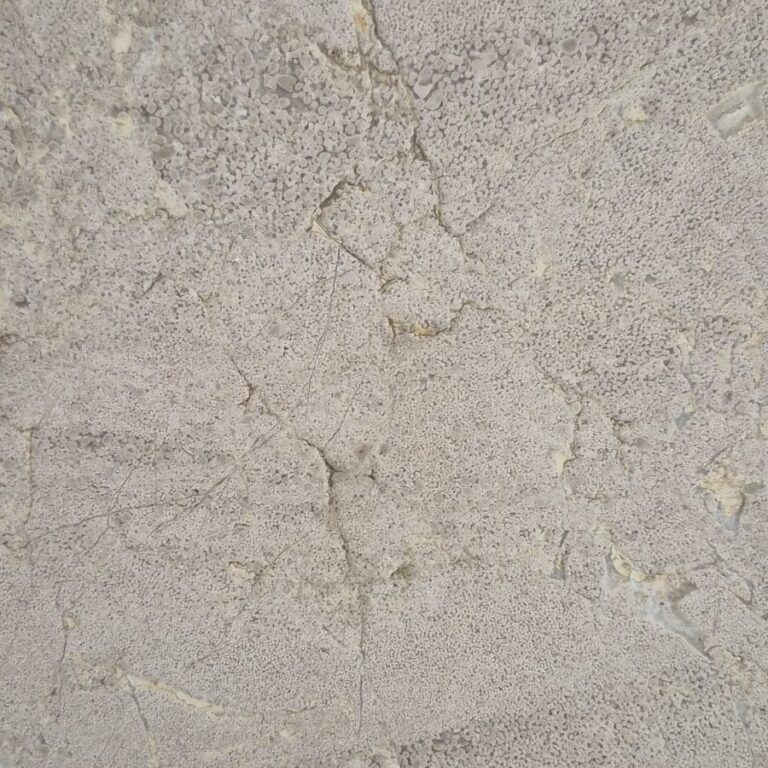
bush-hammered
A pointed hammer strikes the surface and leaves it rough and even. It lightens the tone of the stone.
slip resistance: high
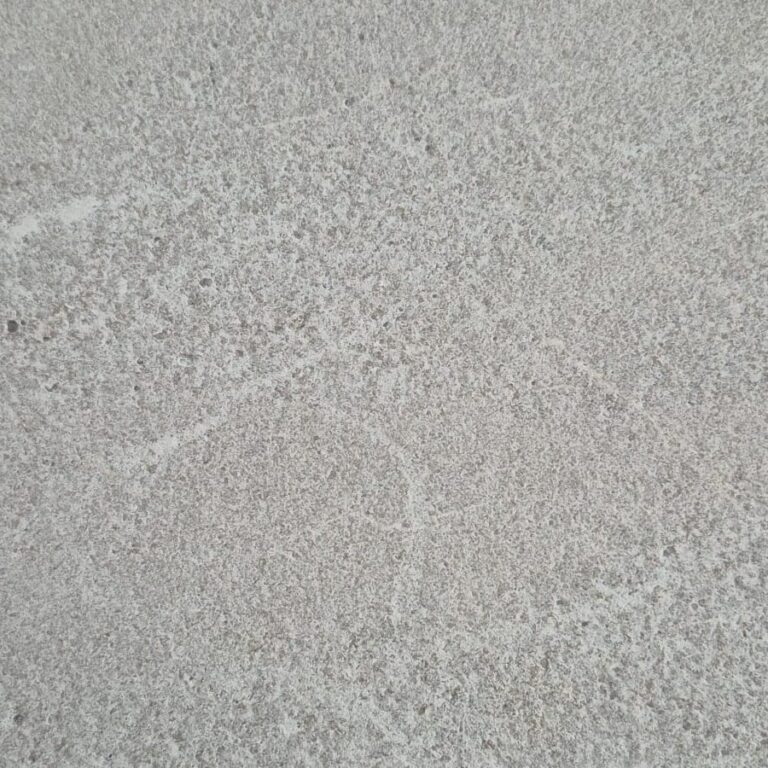
sandblasted
A pressurised jet of sand: a fine, matt, even texture, less aggressive than bush-hammered.
slip resistance: high
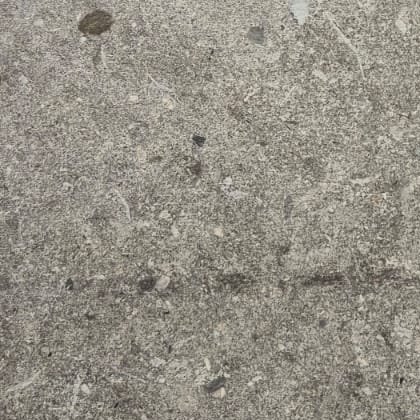
flamed
A high-temperature flame that makes the surface layer flake off. Very rough; typical of granites and some hard stones.
slip resistance: high
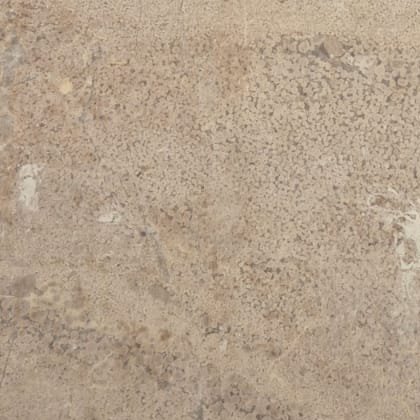
aged
Controlled wear of the surface and edges to give an antique look, like stone with years of use.
slip resistance: medium-high
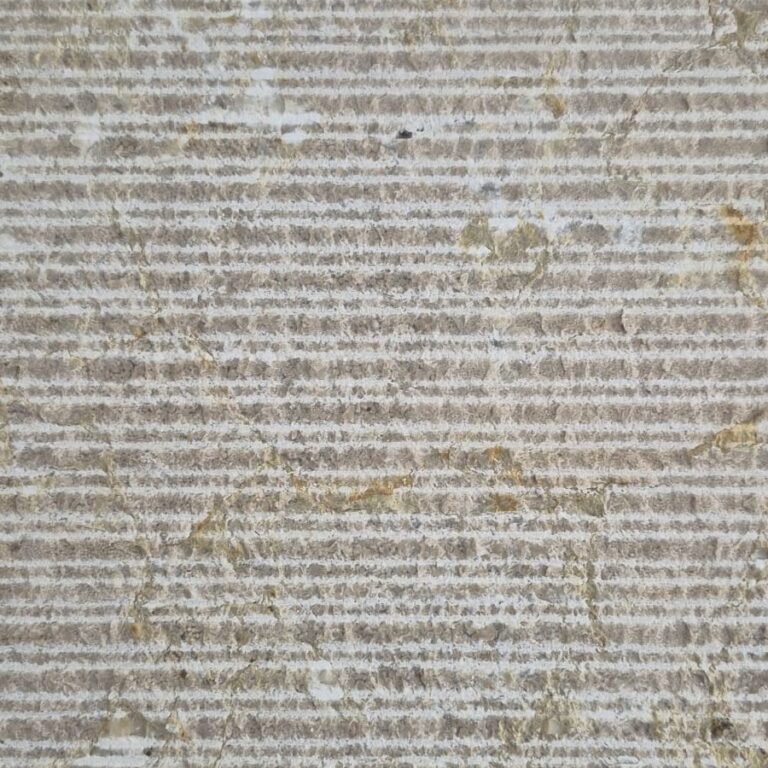
grooved
Parallel grooves machined into the surface. Decorative and slip-resistant at the same time.
slip resistance: high
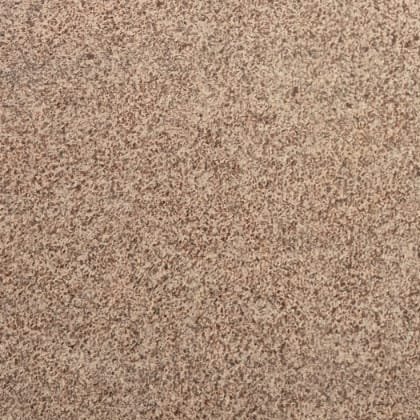
sawn
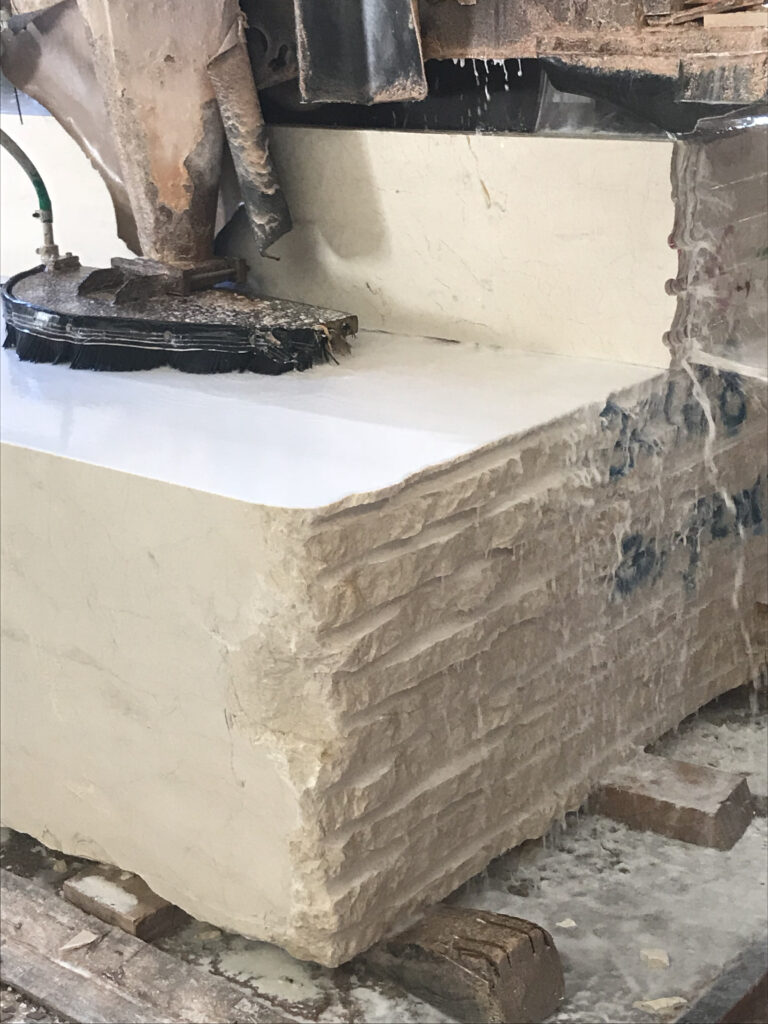
The stone straight from the saw, with the soft mark of the blade. The most natural and economical finish.
slip resistance: medium
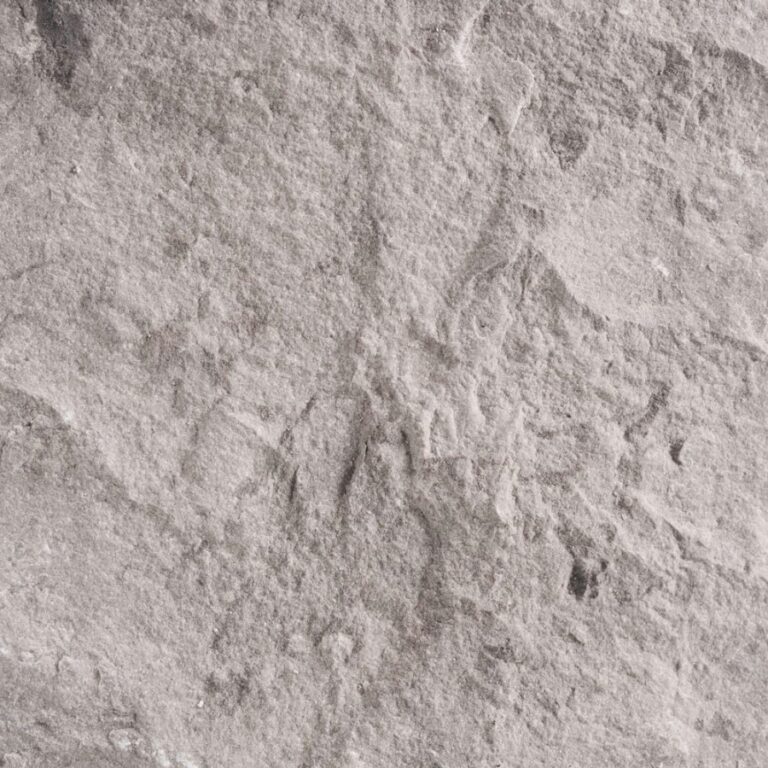
rock-faced
A surface split by hand or chisel that leaves an irregular, natural relief with deep shadows.
slip resistance: high
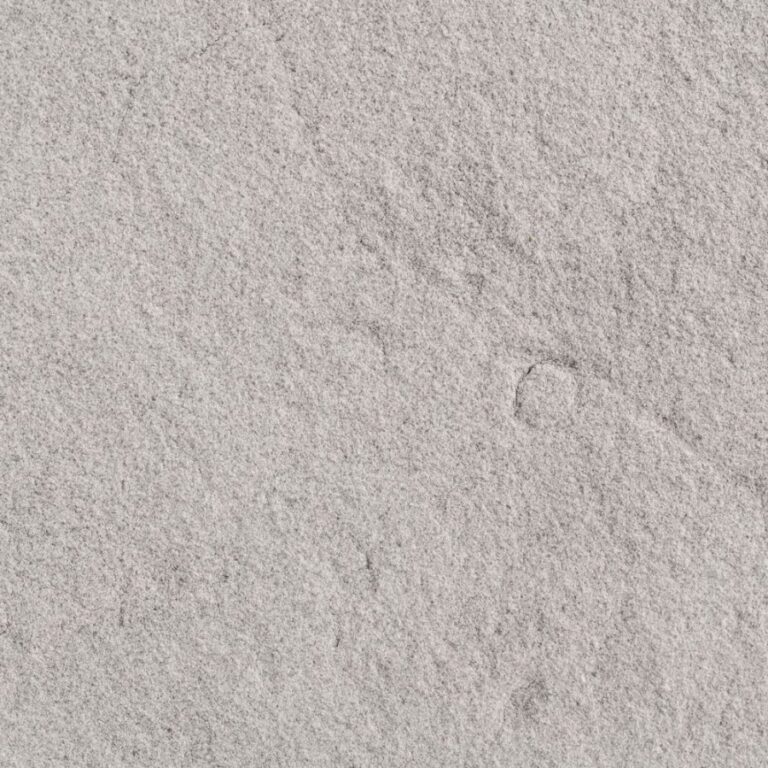
split edge
Edges split irregularly instead of cut: the piece looks as if it came straight from the block.
slip resistance: —
crema levante.
The same stone from Alicante in ten different finishes. Notice how the tone changes: rough finishes lighten the stone, while polished ones darken it and bring out the veining.
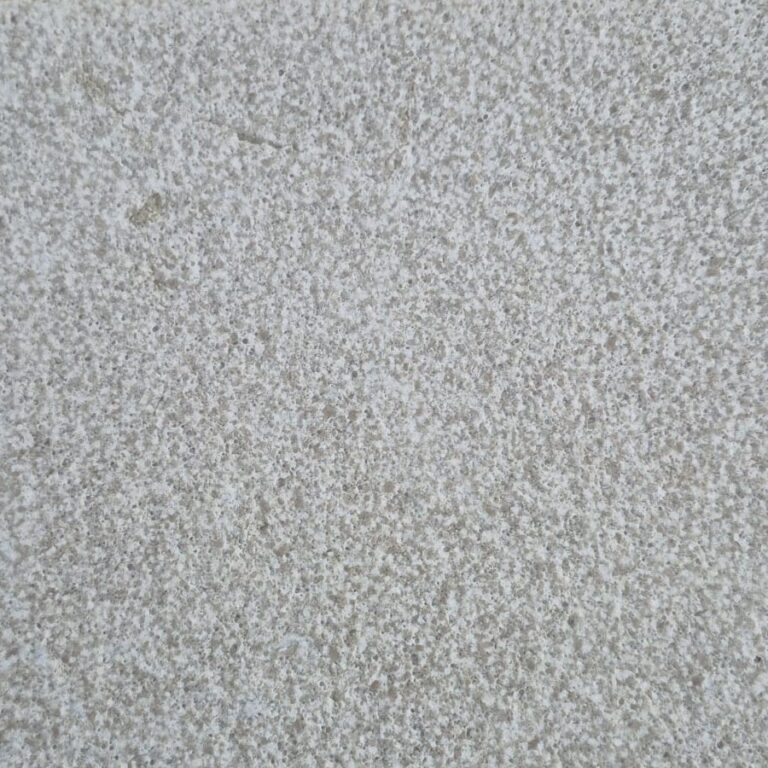
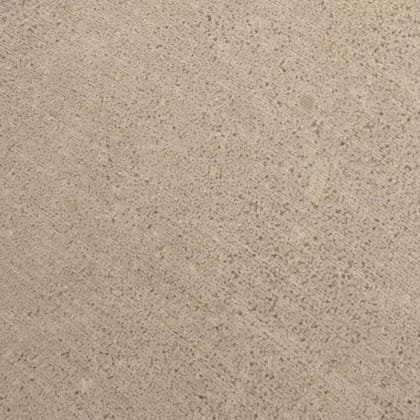
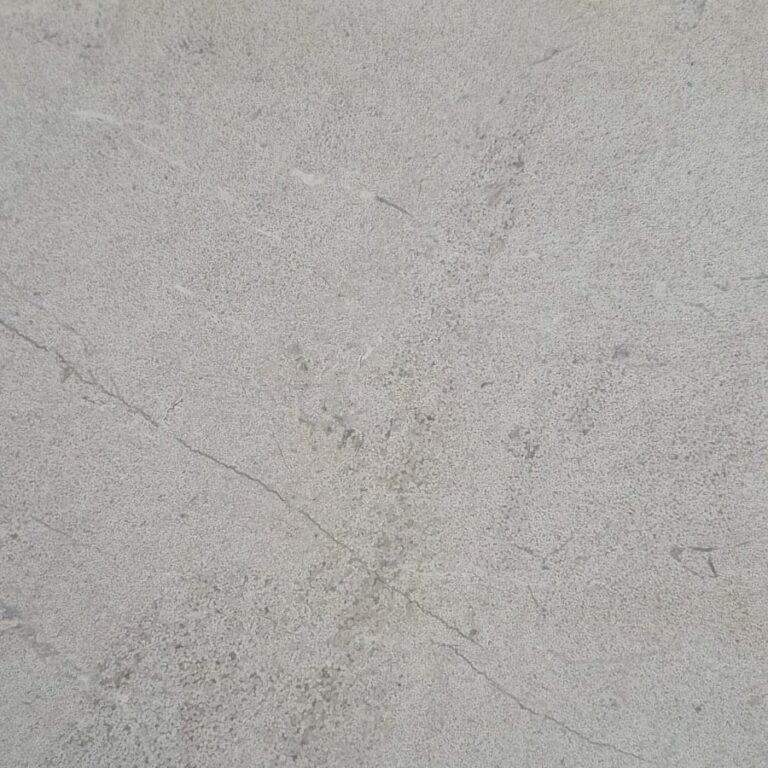
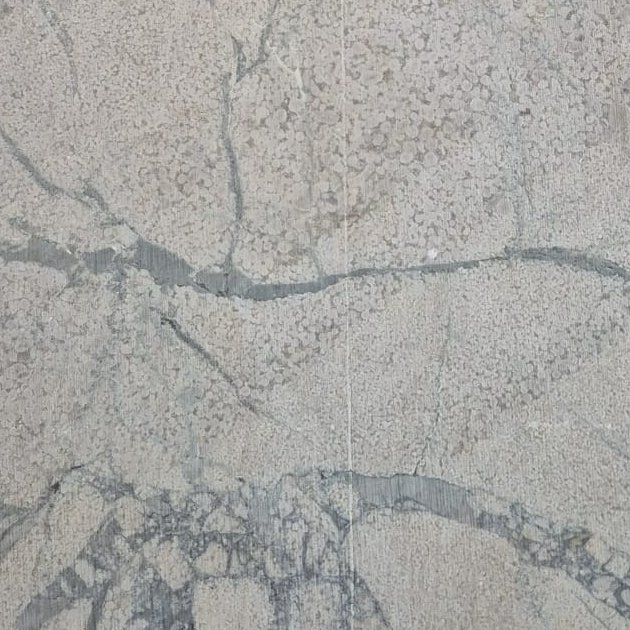
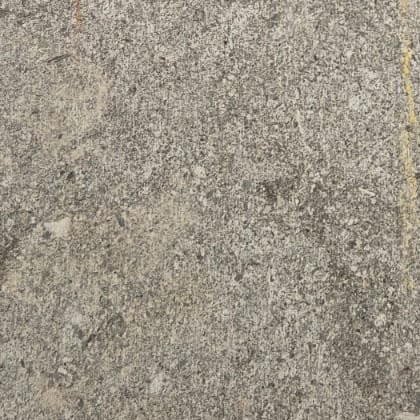
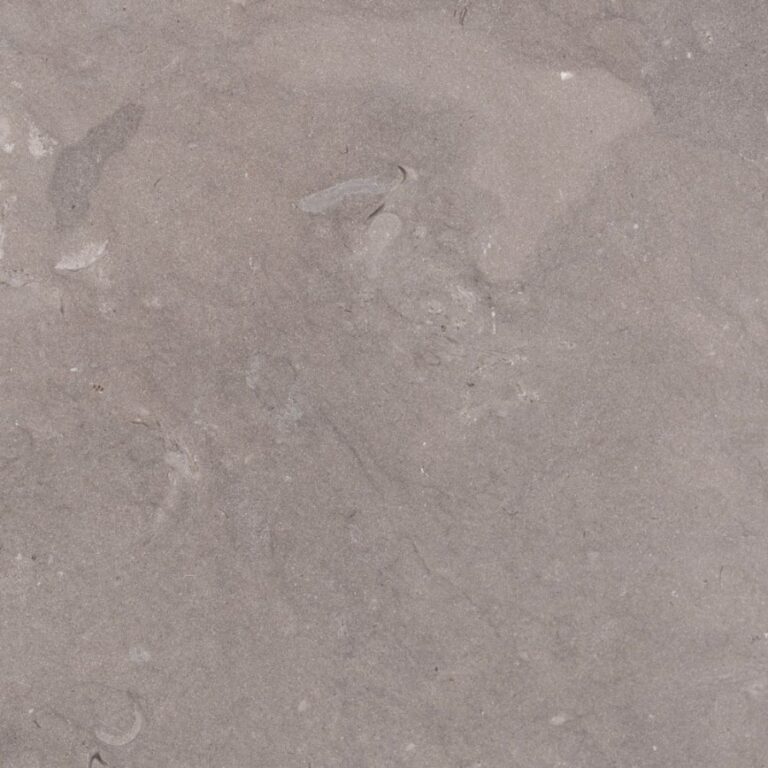
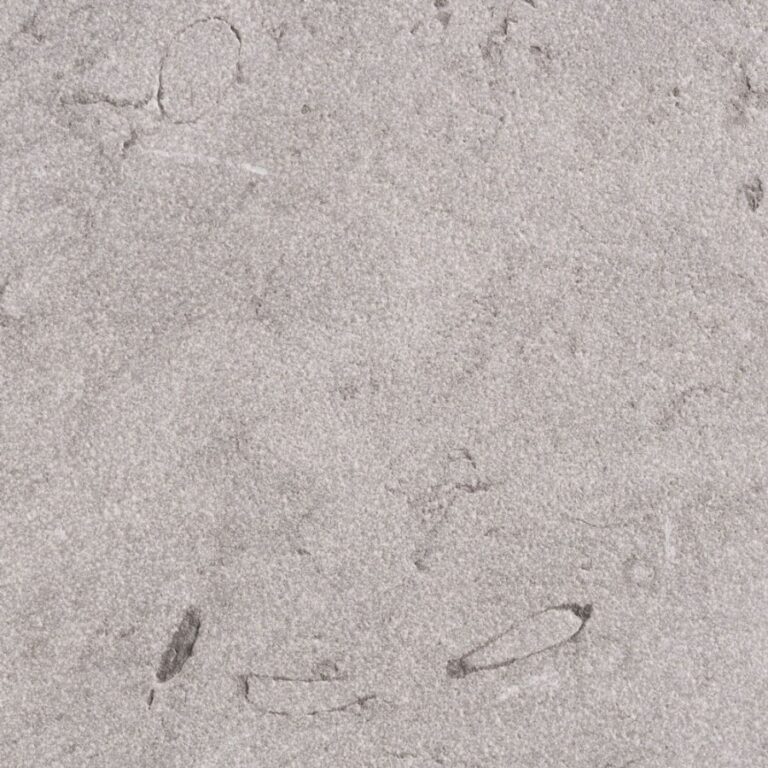
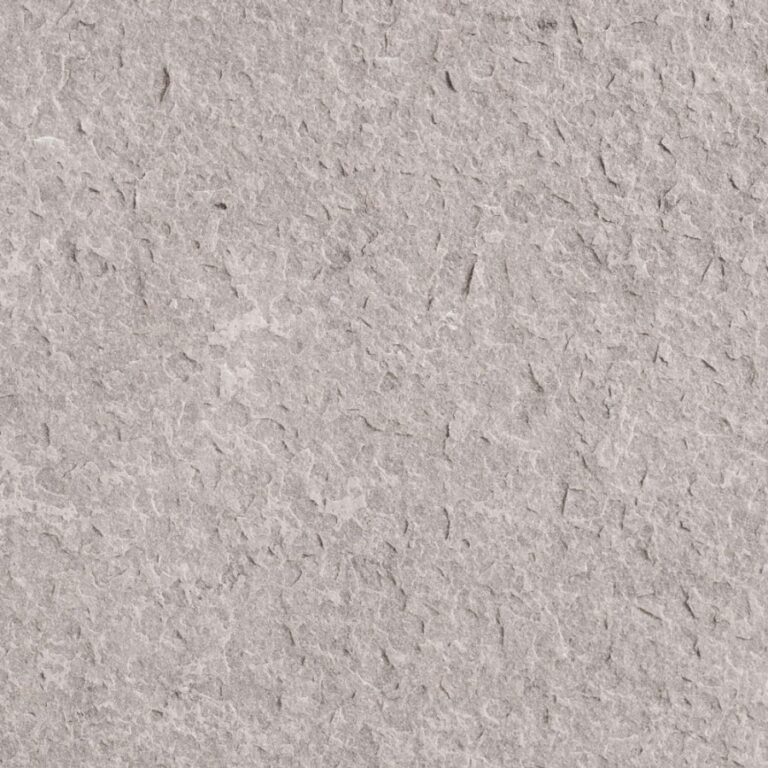
limestones, sandstones and grey stones.
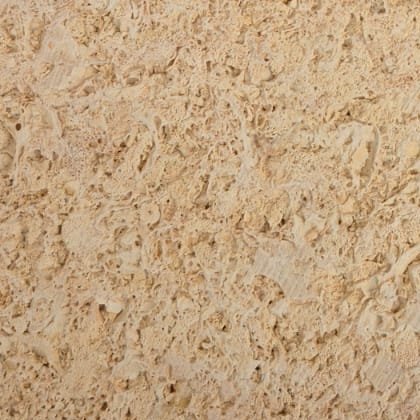

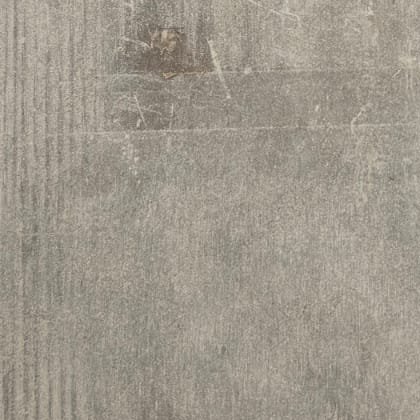
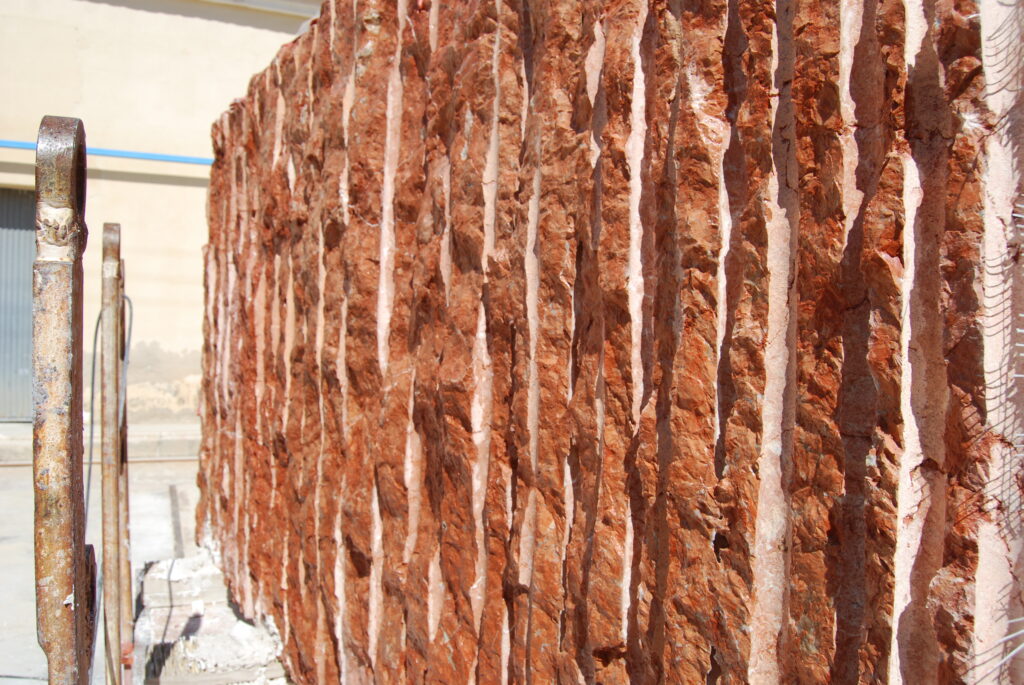
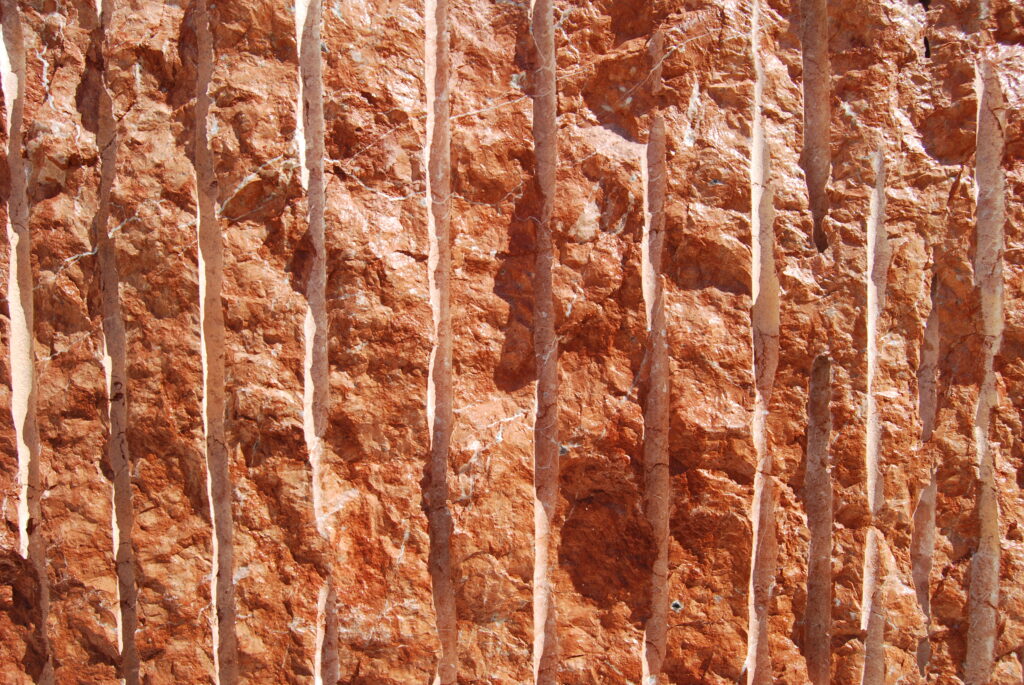
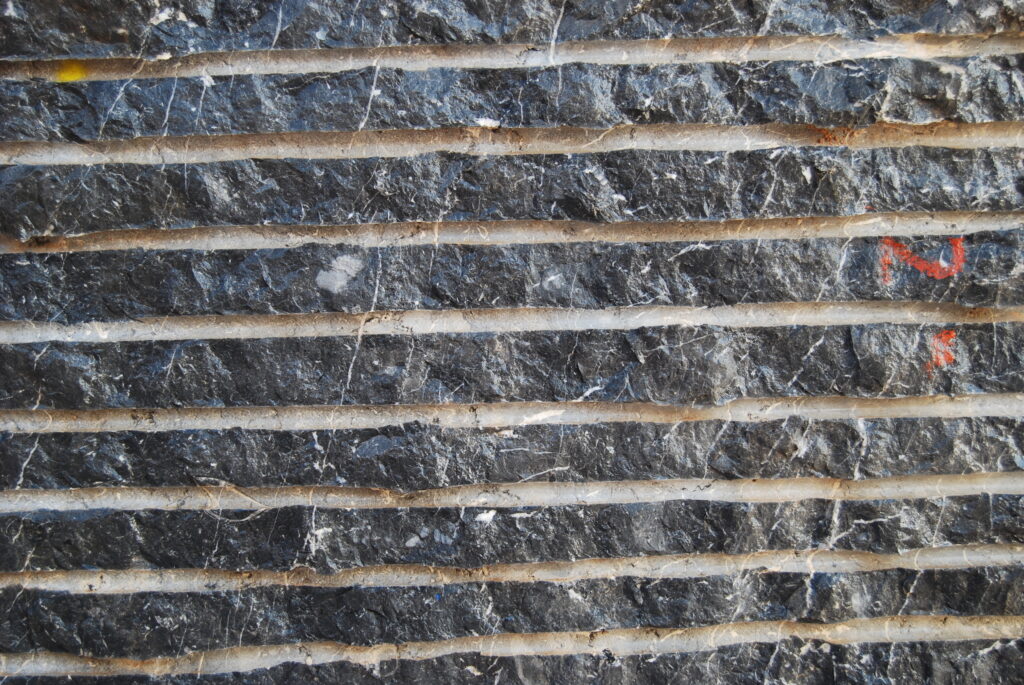
drill-mark texture.
The marks of the drills used to free the block in the quarry. Many architects look for them on purpose: they bring the texture of extraction to a wall, a façade or a one-off piece, and tell where the stone comes from.

bala material studio · alicante