— notebook · travel · venice · october 2026
venice.
stone on water.
Venice is the best materials lesson there is: an entire city raised on water, where every stone is where it is for a reason. We have walked it through several editions of the Biennale, always with one compulsory stop: Carlo Scarpa’s Negozio Olivetti on Piazza San Marco.
text and photos: Ray Ródenas, architect · october 2026
a city on water.
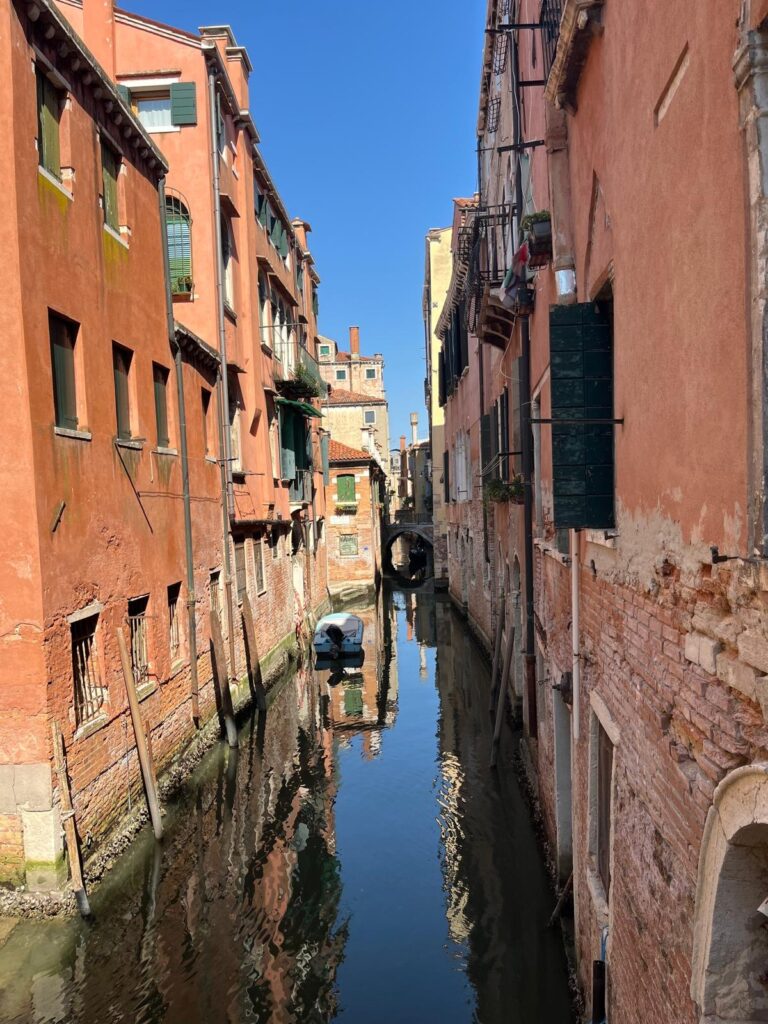
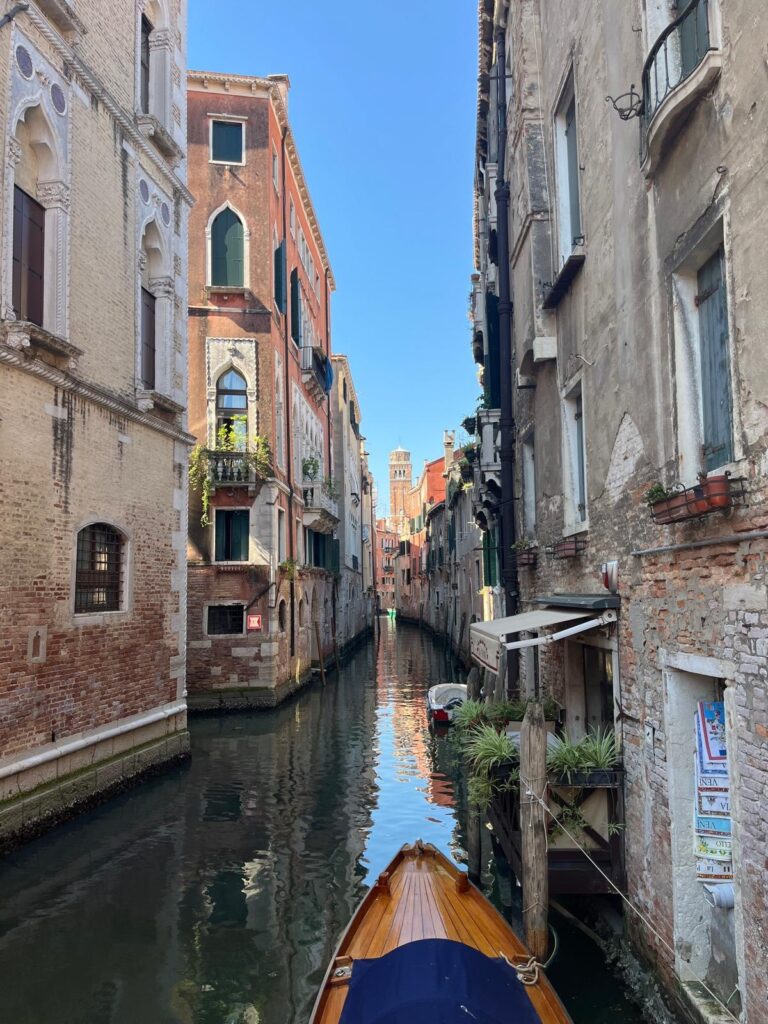
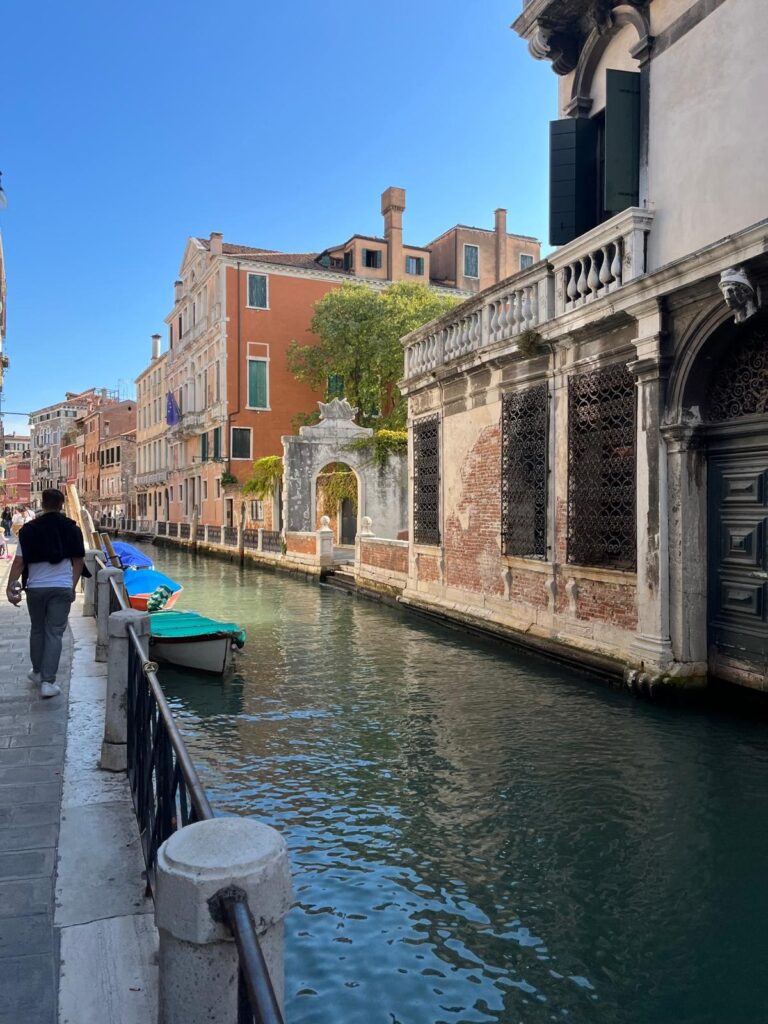
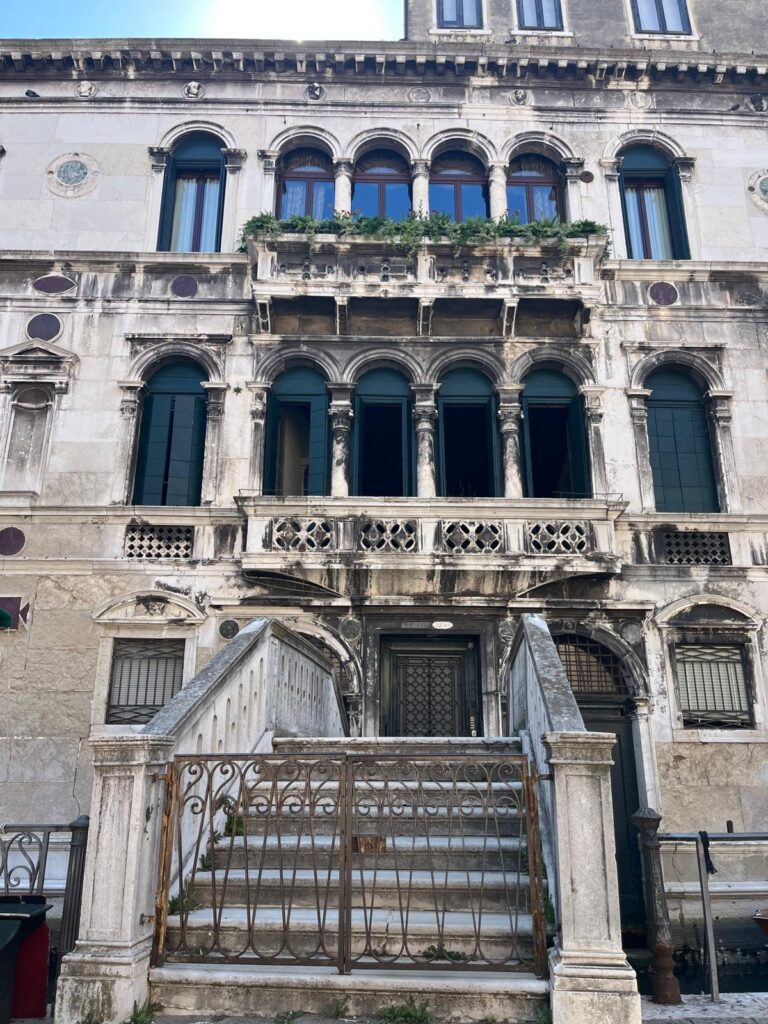
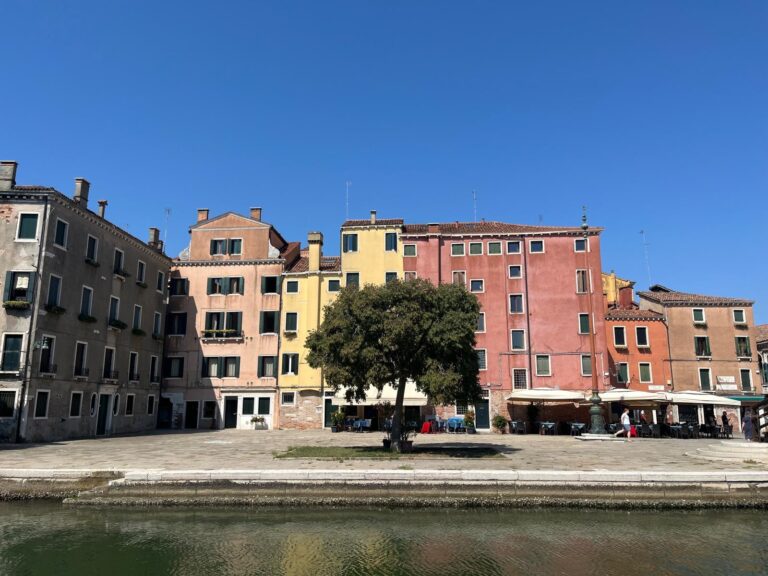
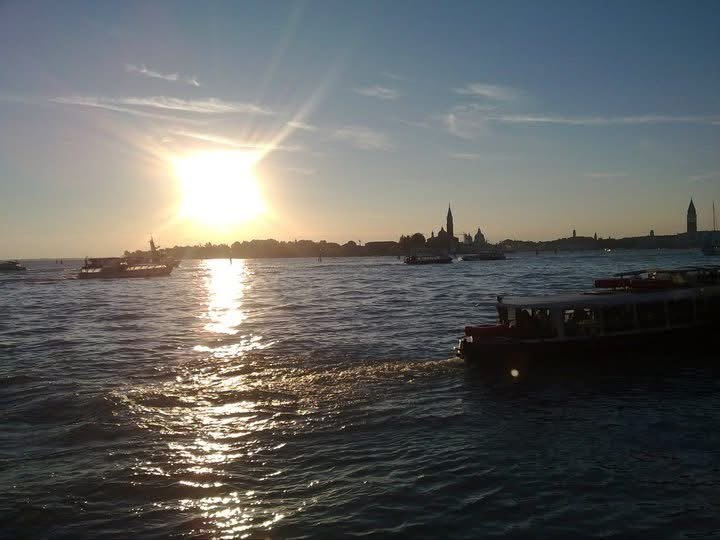
In Venice, water decides the materials. Below, where the tide rises and falls, white Istrian stone protects the walls; above, brick and render that the salt paints over the years. It is the oldest rule in building, applied to a whole city: every material where it works best.
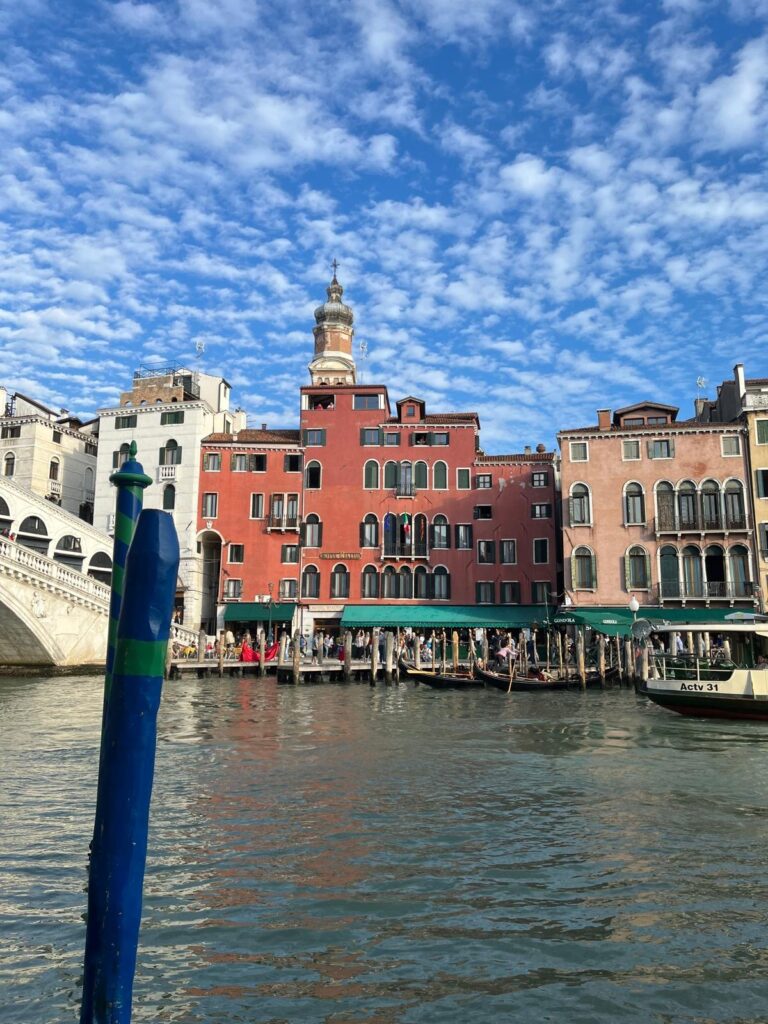
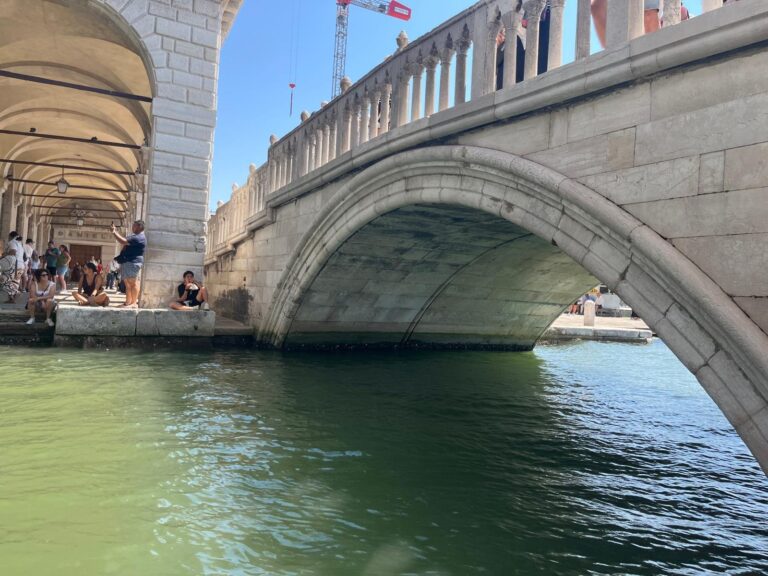
The bridges are the other lesson: stone arches worn by centuries of footsteps, the step rounded exactly where everyone treads. No imitation material ever gets that patina.
look slowly.
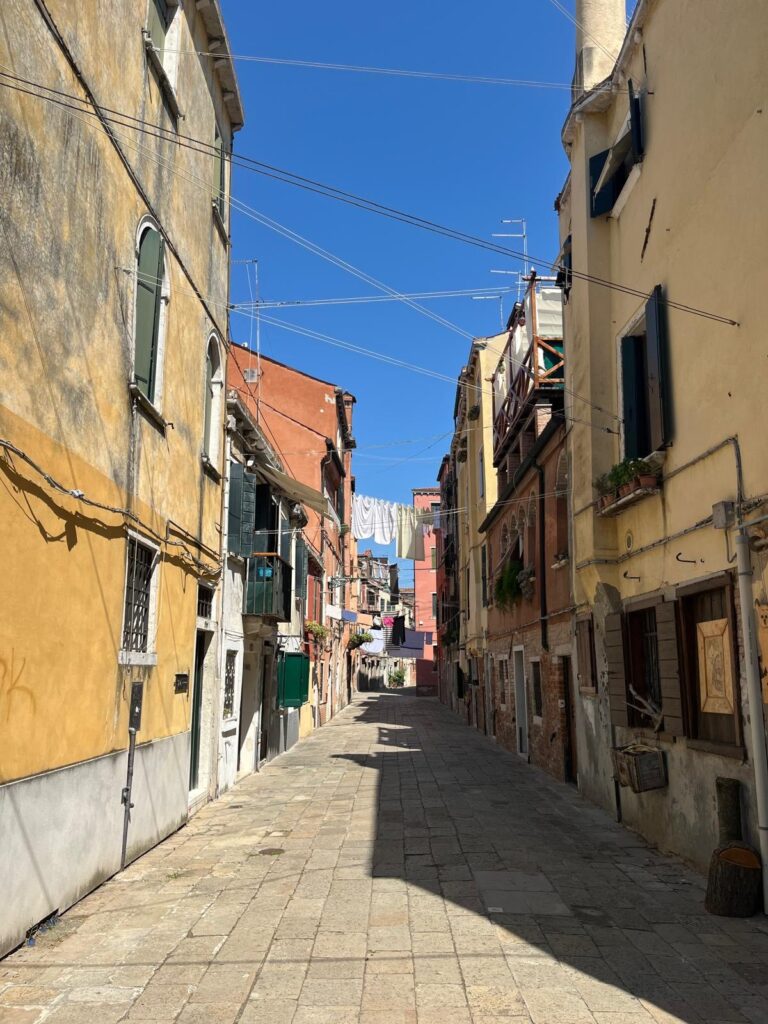
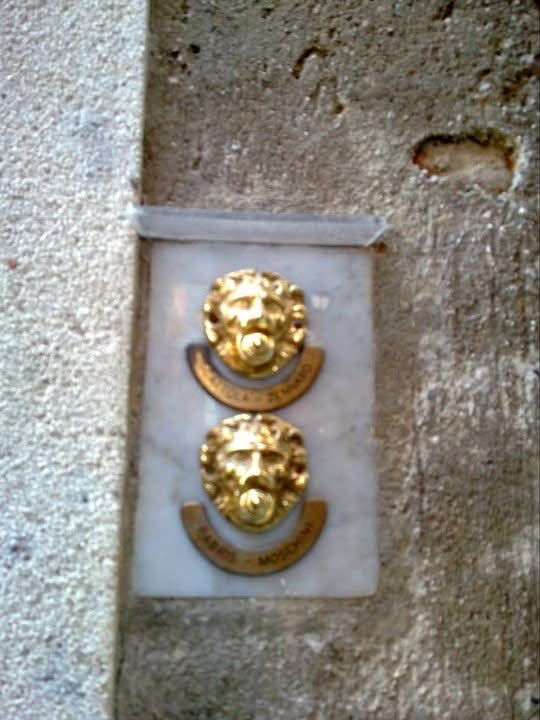
Away from San Marco, Venice goes quiet: narrow calli, campi with their tree and their wellhead, stone paving nobody photographs. And the small details, like brass knockers on stone, that say more about the city than many monuments.
the negozio olivetti.
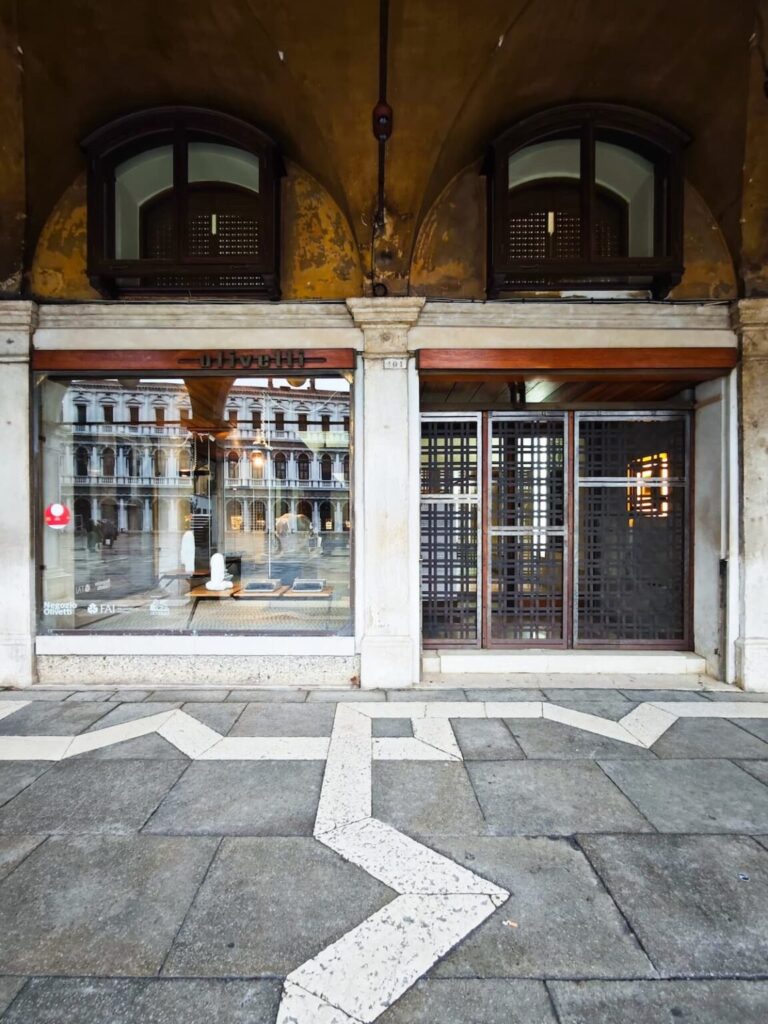
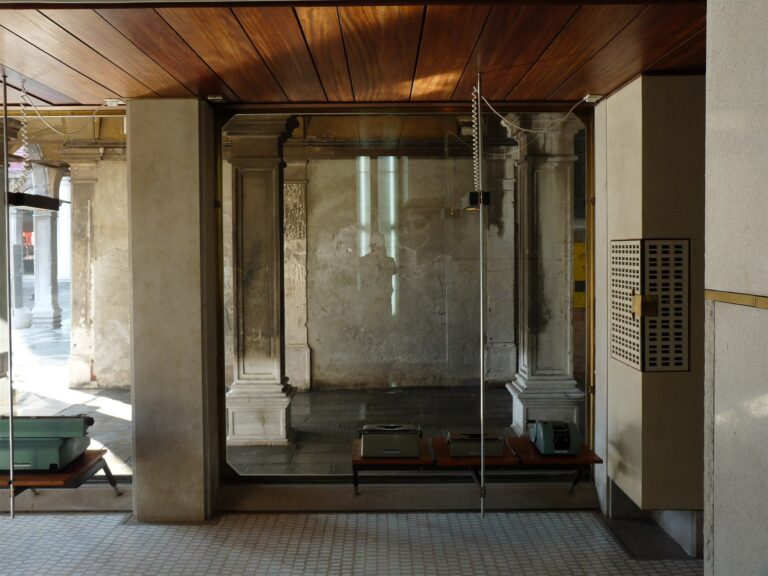
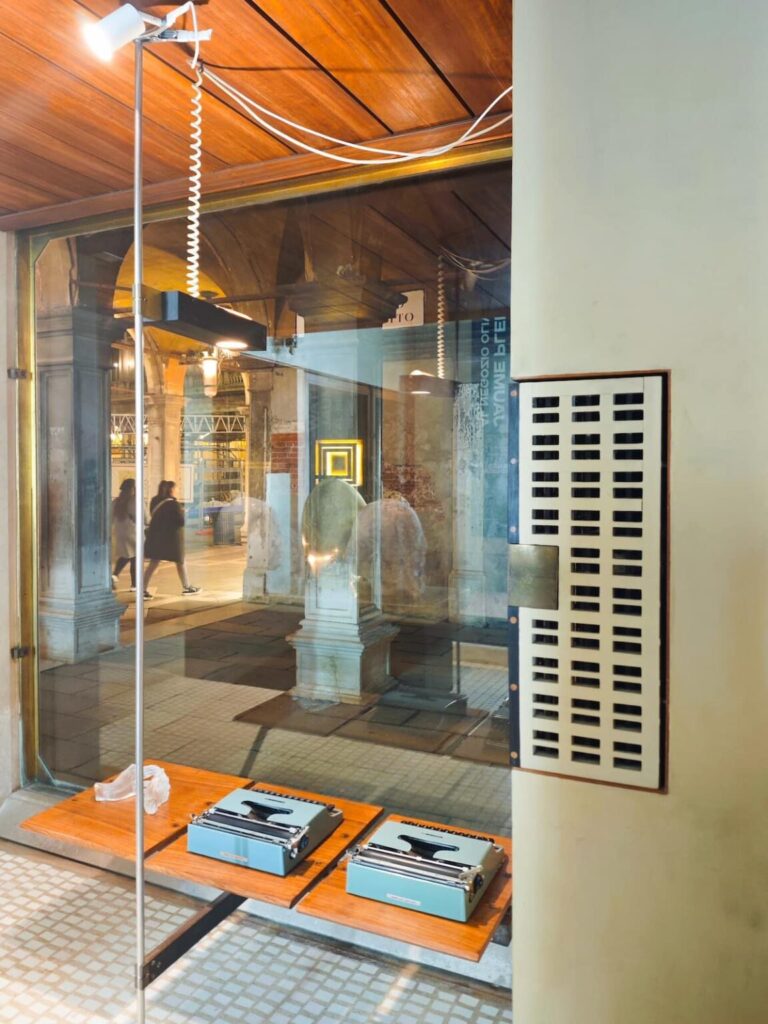
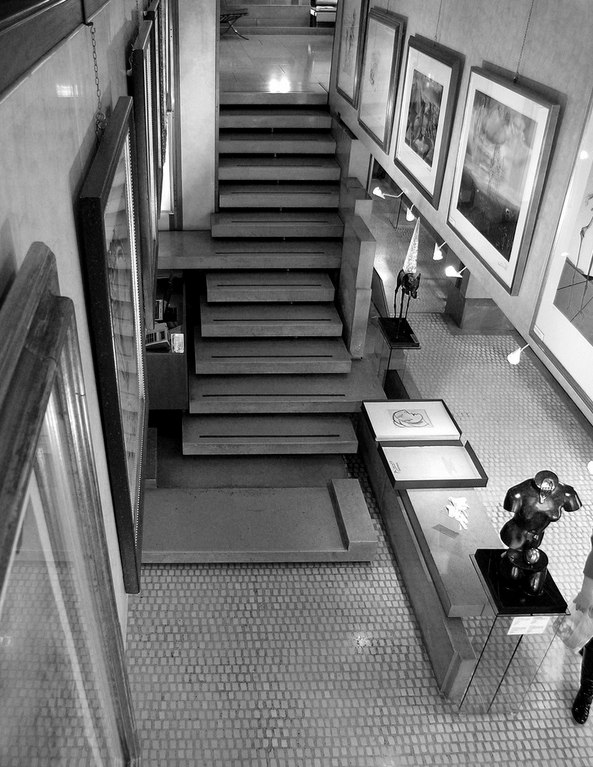
In 1957 Adriano Olivetti asked Carlo Scarpa for a shop under the Procuratie Vecchie on Piazza San Marco. He did not want just another shop, but a showcase of what his company stood for. Scarpa turned a narrow, dark space into one of the masterpieces of twentieth-century interior design. Today it is run by FAI and open to visitors.
the staircase.
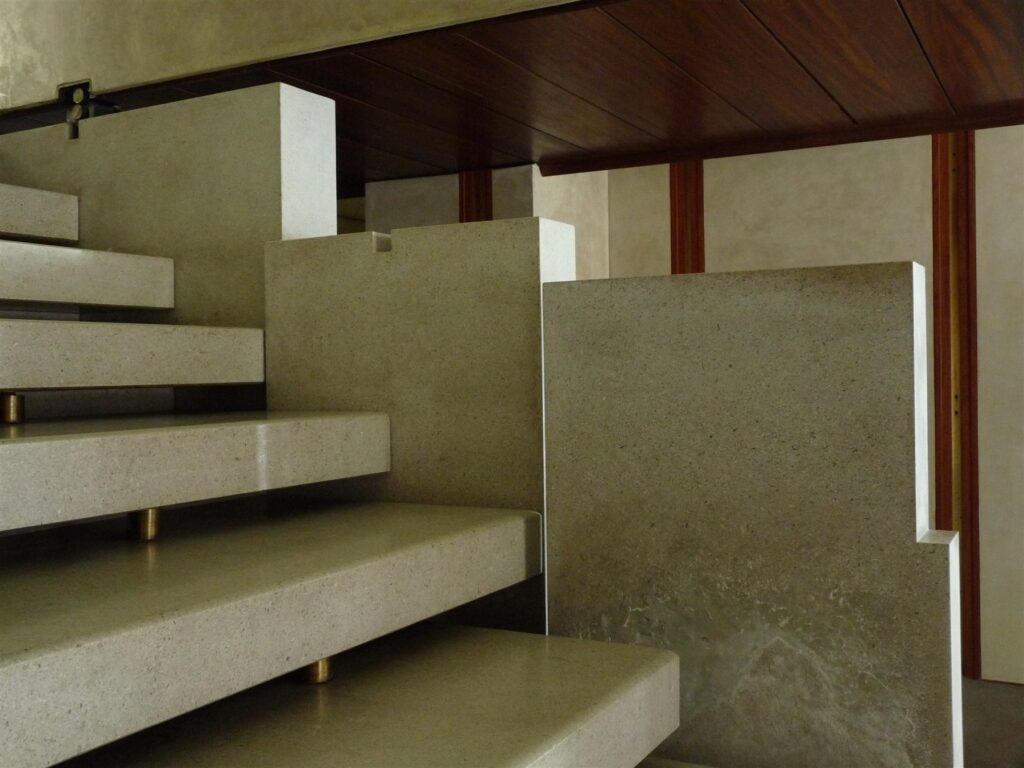
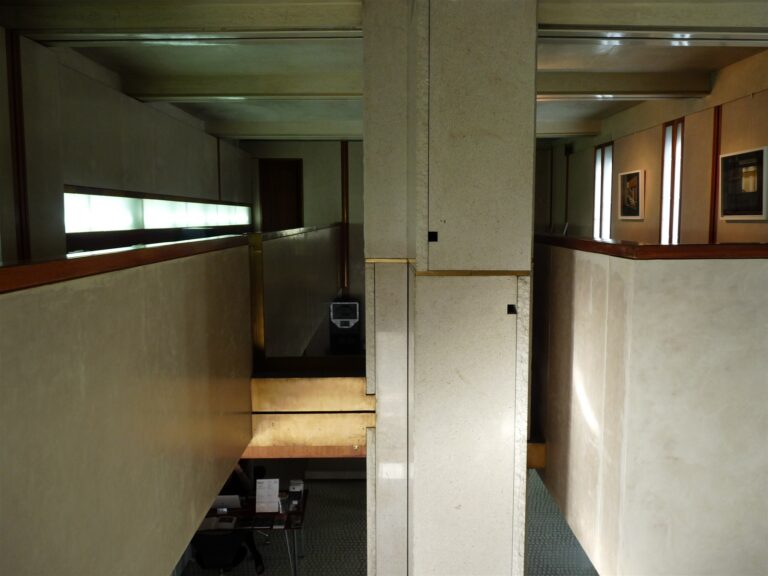
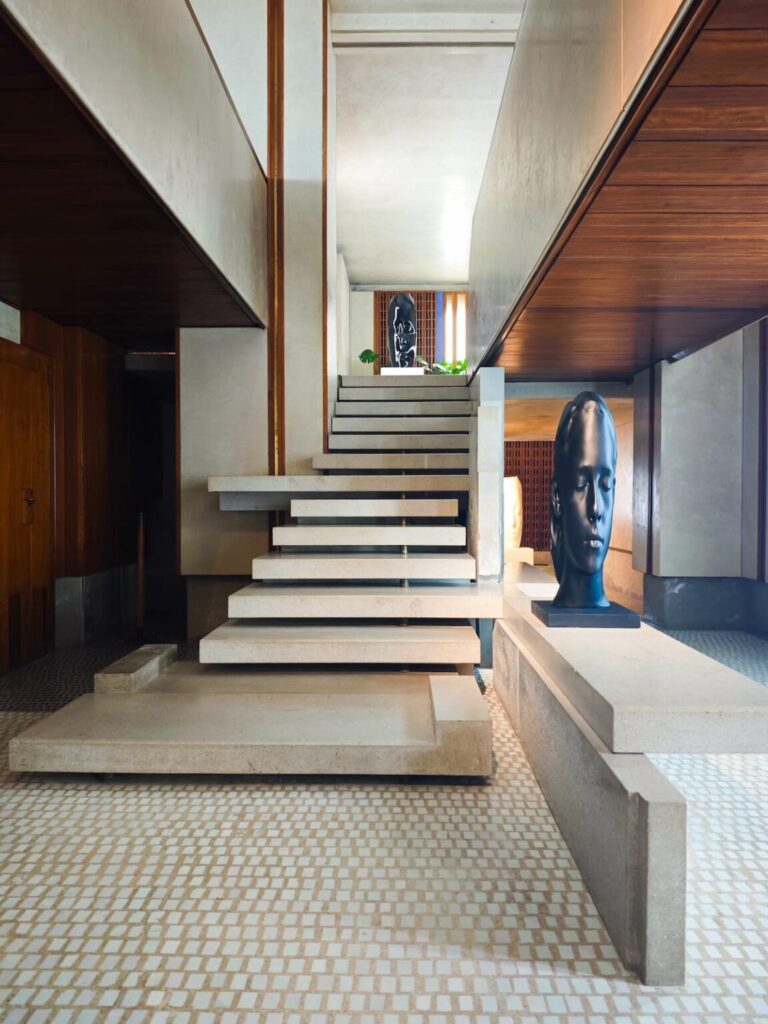
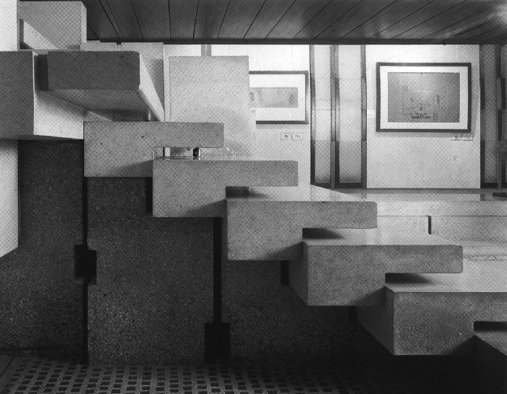
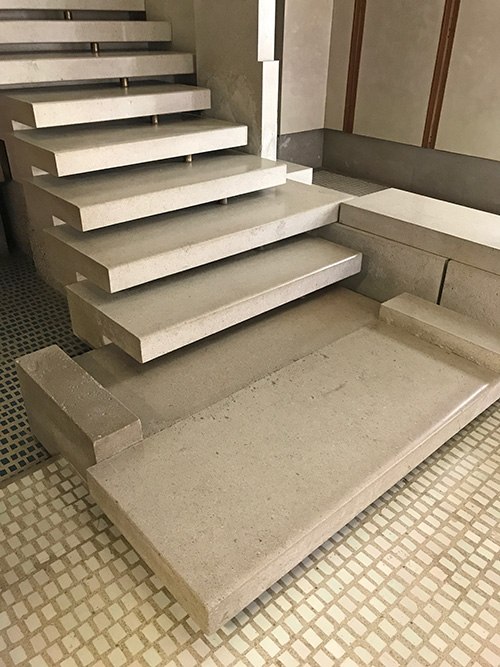
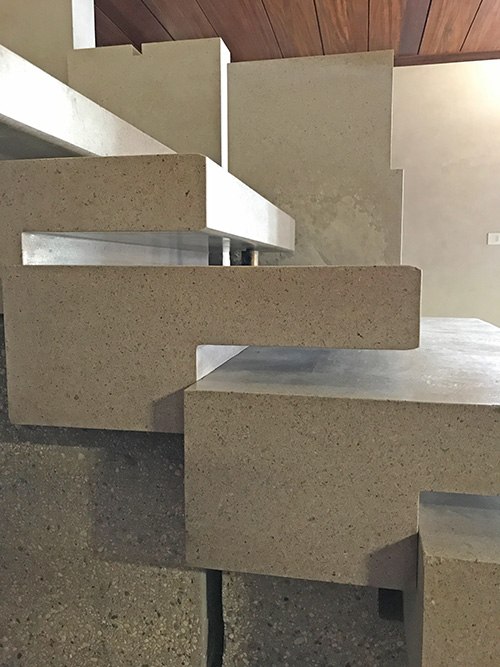
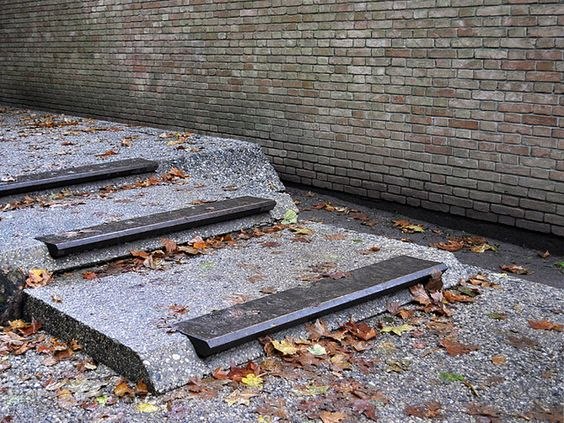
Scarpa placed the monumental staircase in the middle of the shop, turning a functional element into the pivot of the whole space. The solid, staggered steps overlap and shift, and seem to float; the pivots are left exposed. It is a staircase, a sculpture and one more display. Scarpa summed it up in one line: “for a king, a royal palace is mandatory”.
the floor.
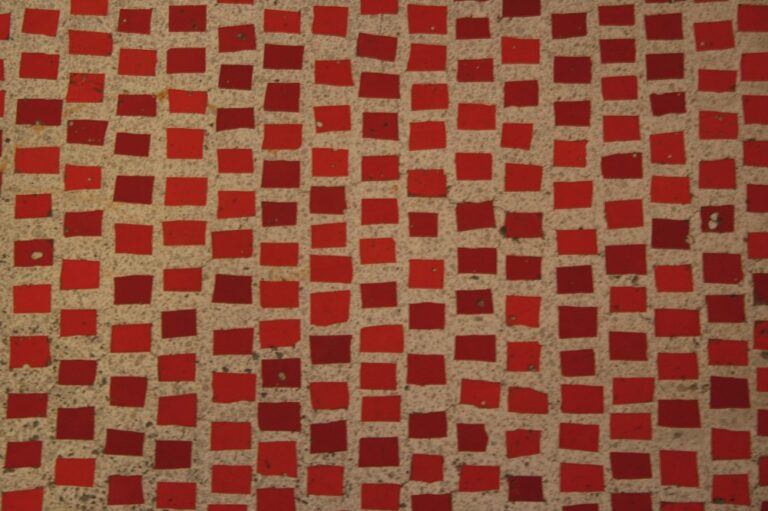
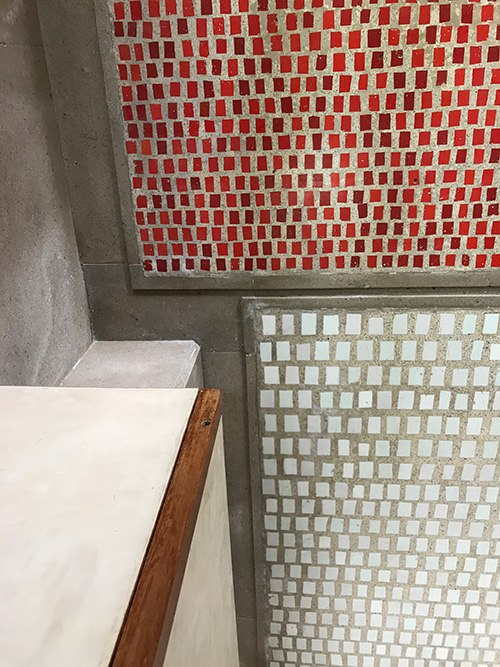
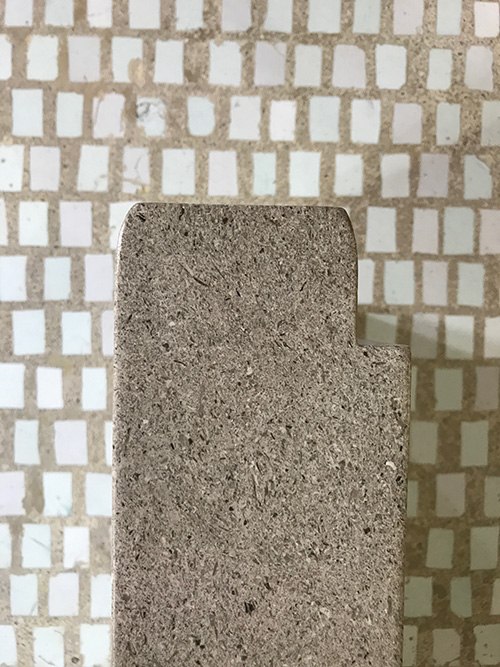
The floor is a mosaic of coloured glass tesserae, laid with deliberate irregularity and a different colour in each area: red at the entrance, greyish white in the main room, blue at the side entrance and yellow at the back. The tesserae do not touch, letting the joint and the stone show between them. Scarpa wanted a sense of movement, as if the floor were covered by a veil of water.
the water.
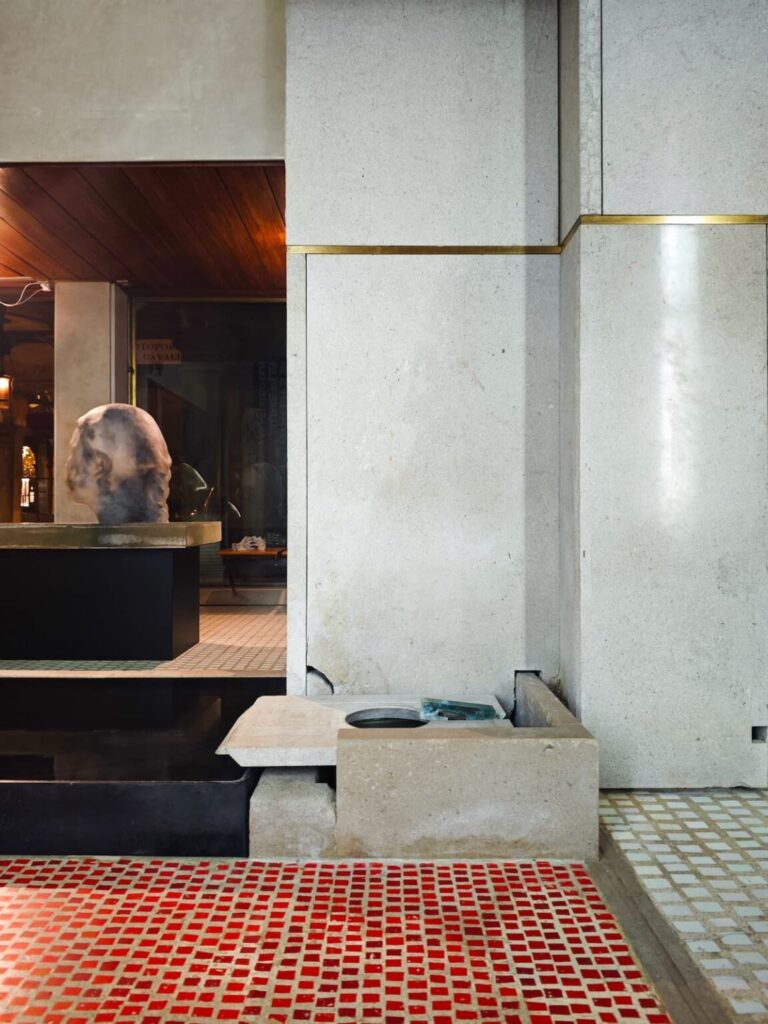
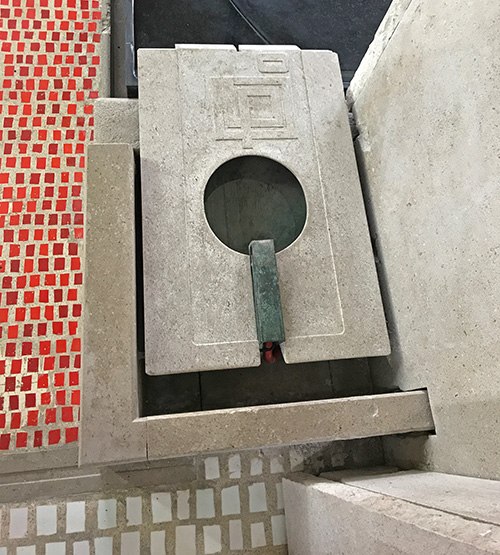
By the entrance, Alberto Viani’s sculpture “Nudo al sole” is reflected in a sheet of water over a black base: Scarpa brings the lagoon inside the shop. Water runs through all his work, and here it is handled with the same care as everything else. Even the drain is drawn. And the central pillar, clad in Aurisina marble, plays polished stone against rough-hewn edges.
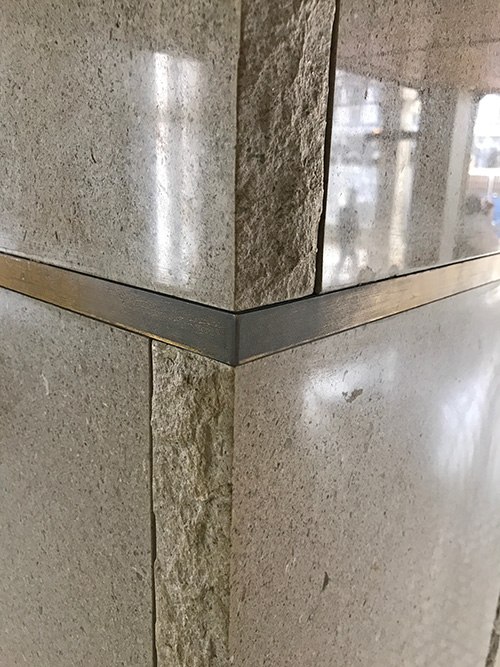
“Scarpa does not design with materials: he designs the meeting between them.”— what we take away
the biennale.
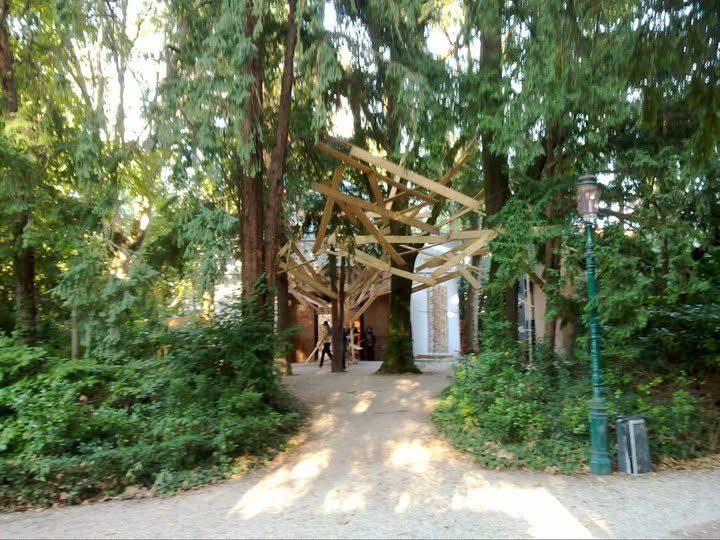
The Biennale fills the Giardini, with the national pavilions among the trees, and the halls of the Arsenale, the old brick-and-timber shipyards. We have been to several editions and it is always the same: what stays with you is what works with the essentials. Light, fog, stone, steel.
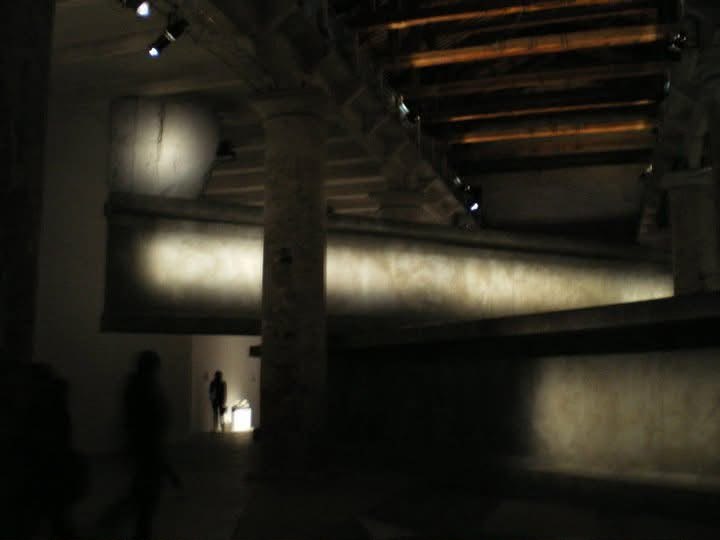
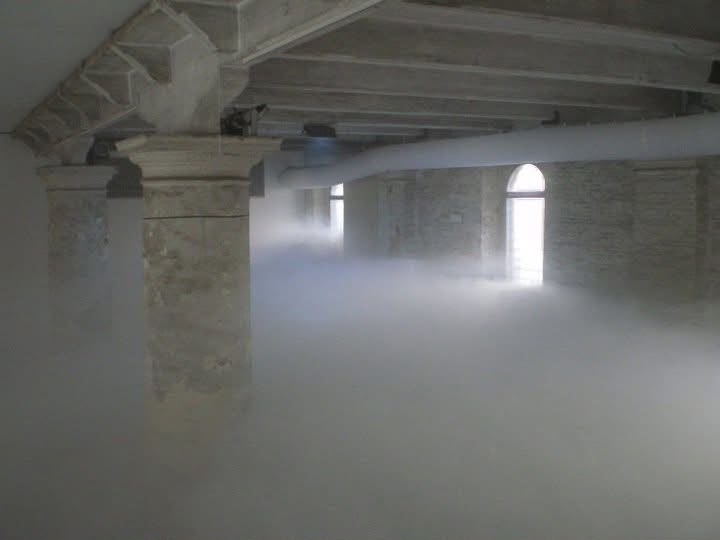
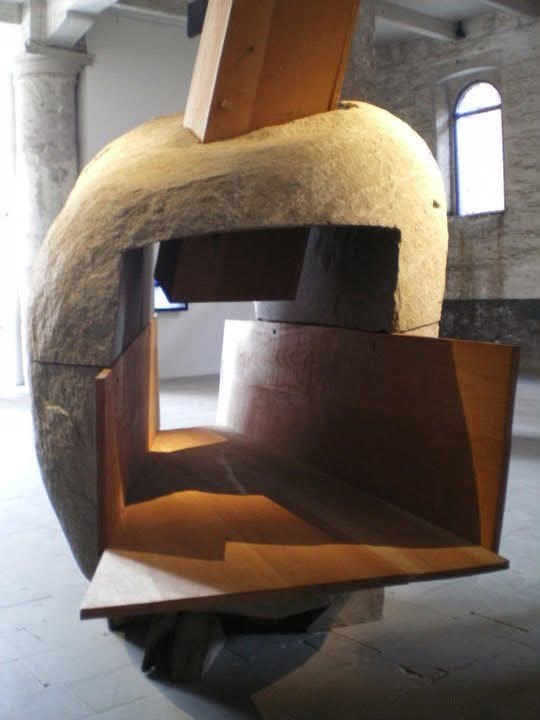
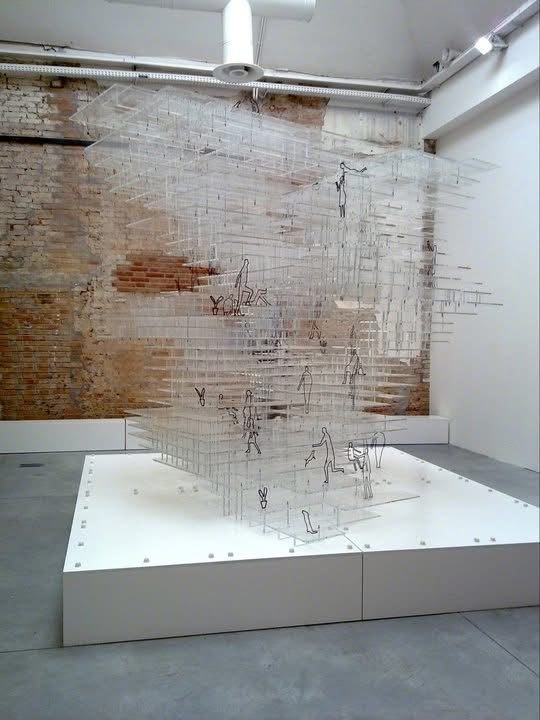
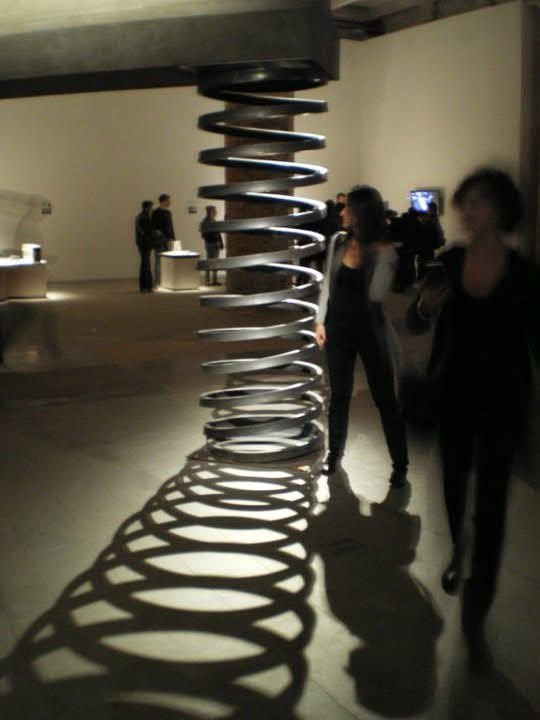
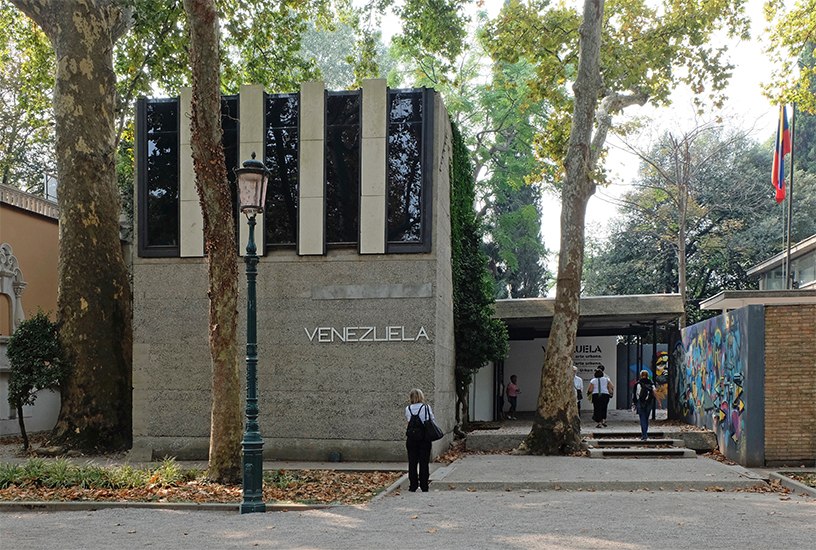
And in the Giardini, Scarpa again: the Venezuela pavilion is his. A restrained volume among the trees, with the same obsession for junctions and detail as the Olivetti shop.
what we take away.
Venice and Scarpa teach the same thing: detail is not decoration, it is the architecture. Choosing the right stone is only half the job. The other half is how it meets water, brass, timber and light. That is what we look for in every project.
nothing else.
Travel, fairs, quarries and buildings, told by an architect. We only write when there is something to tell, and you can unsubscribe at any time. By subscribing you accept our privacy policy.
bala material studio · alicante